Complete Guide to Stone Bags for Your Next Project
Get an estimate for your project in 60 seconds
 Your information is secure
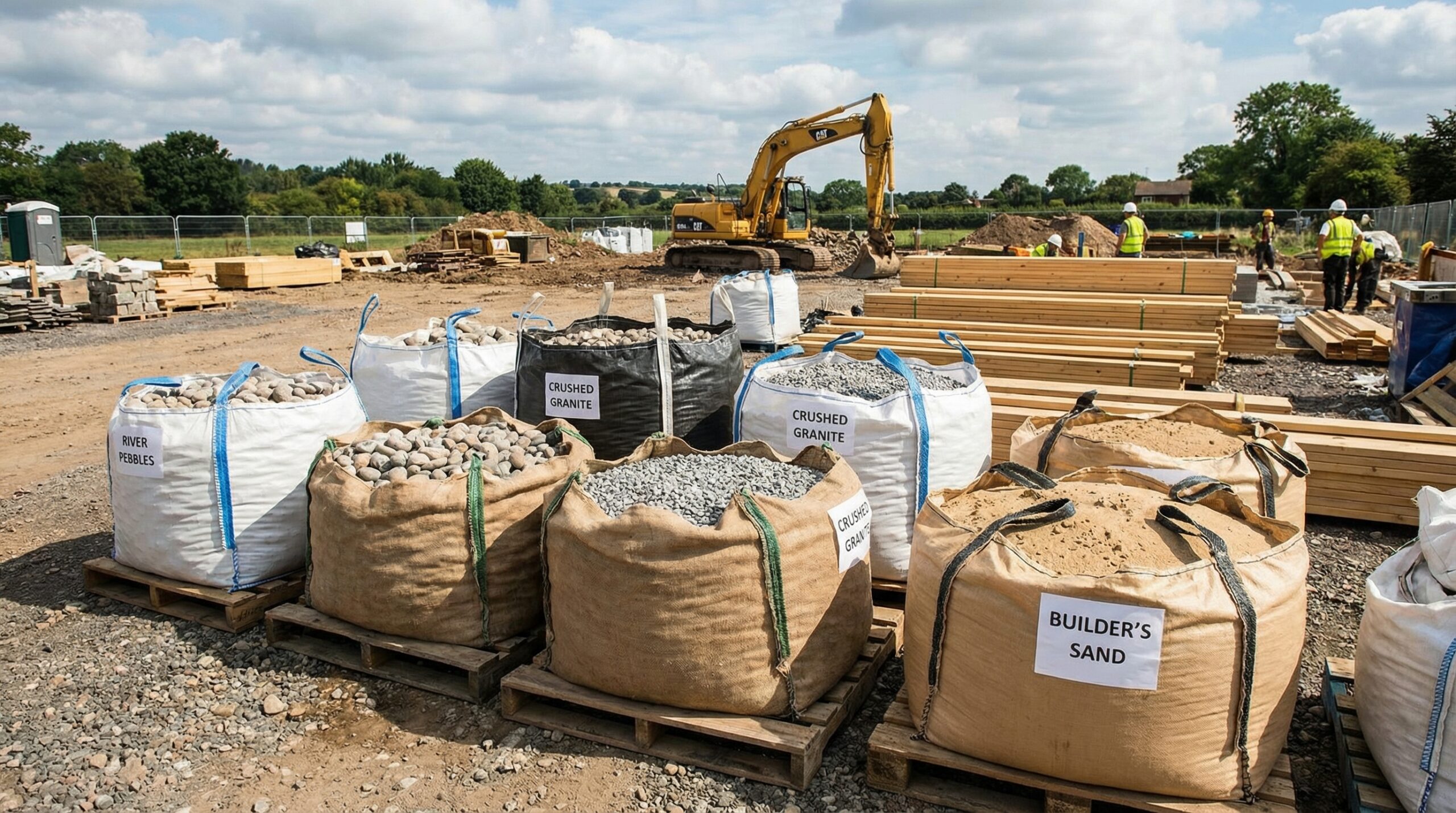
Stone bags are essential containers designed to hold and transport various types of stones for construction, landscaping, and decorative projects. Whether you’re building a retaining wall, creating a garden pathway, or working on a large construction project, choosing the right stone bag can make the difference between project success and costly mistakes.
Quick Answer: Stone bags come in materials like granite, limestone, marble, and sandstone, with sizes ranging from small pebbles to large boulders. The key factors when choosing are stone type, project requirements, weight capacity, and quality of the supplier.
This guide walks you through everything you need to know about stone bags, from understanding different types to making smart purchasing decisions that fit your budget and project needs.
Understanding stone bag basics
Stone bags contain various materials including granite, limestone, marble, and sandstone. Each type brings unique characteristics that make them suitable for specific applications.
Granite offers exceptional strength and durability, making it perfect for heavy-duty applications like retaining walls and driveways. According to 3dev.hellogravel.com, granite can withstand heavy loads and harsh weather conditions without losing structural integrity.
Limestone provides a softer, more elegant appearance while maintaining good durability. This makes it popular for decorative landscaping projects where aesthetics matter as much as function.
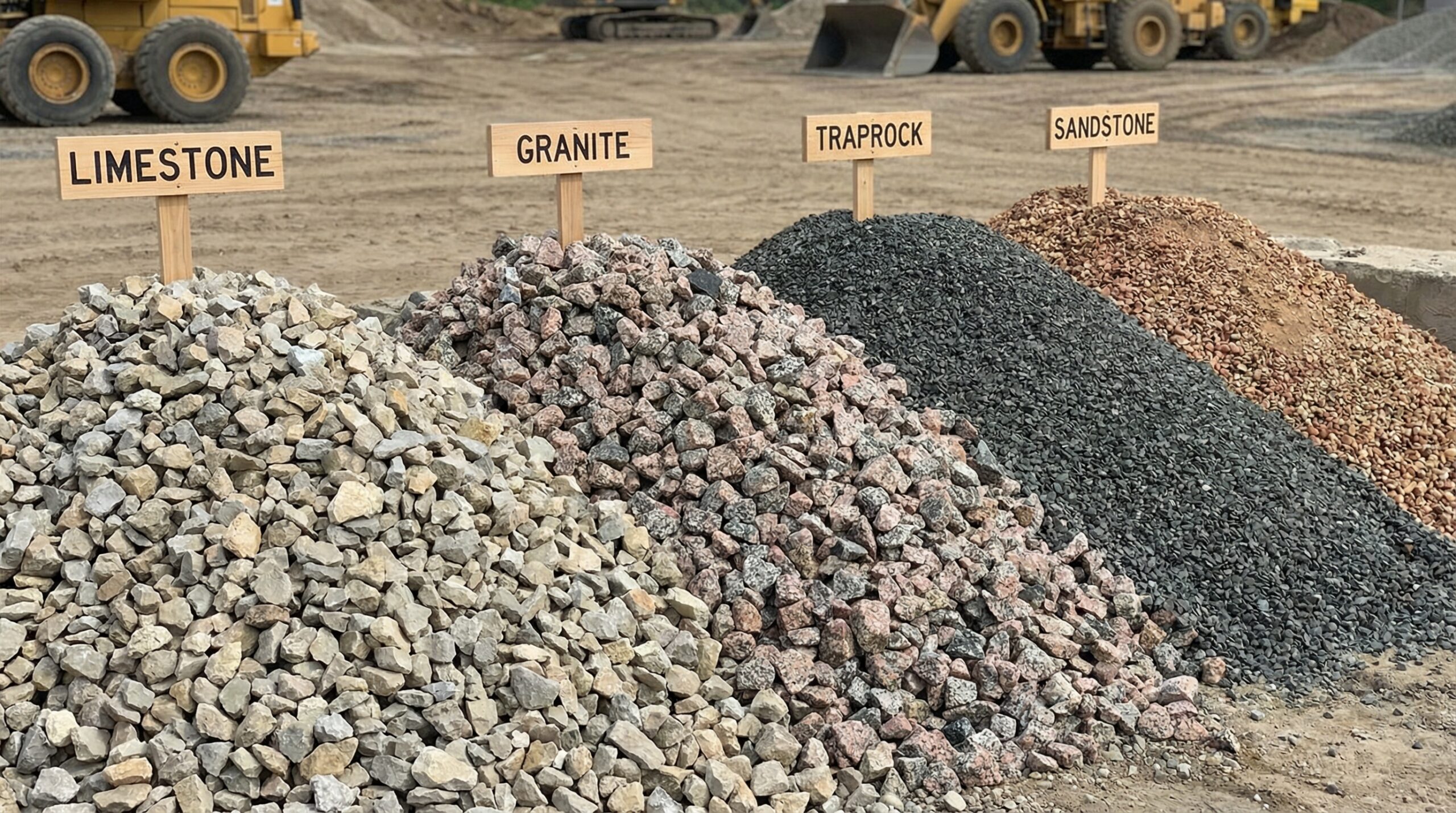
Marble brings luxury and polish to interior applications like flooring and countertops. However, it requires more careful handling due to its susceptible nature to acidic substances.
Sandstone offers natural, rustic appeal that works beautifully in outdoor landscaping projects. Its porous nature also provides excellent drainage properties.
Pro Tip: Consider your local climate when selecting stone types. Some materials perform better in freeze-thaw cycles than others, which can significantly impact long-term project success.
Choosing the right size and weight
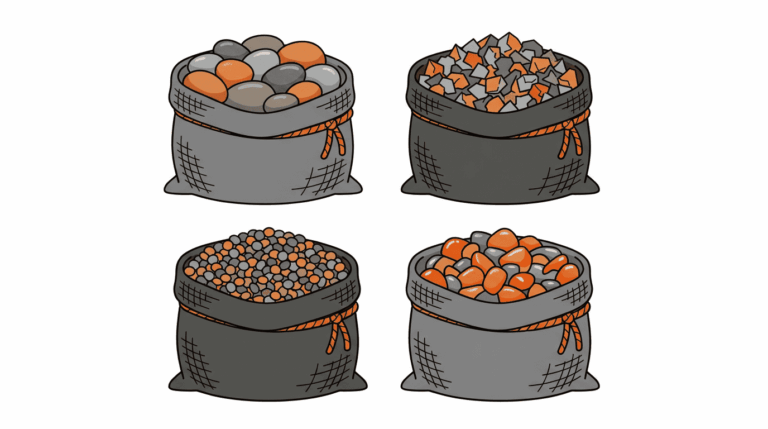
Stone bag sizes range from small pebbles perfect for decorative accents to large boulders suitable for major construction projects. The size you choose directly impacts both functionality and cost.
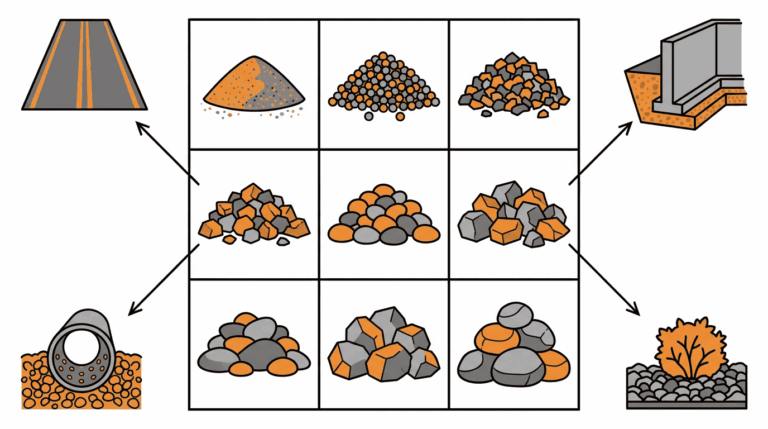
Small stones like pebbles and gravel work well for pathways, planters, and decorative borders. They’re easier to handle and allow for more precise placement in detailed work. For walkways specifically, understanding the best gravel size for a walkway ensures optimal drainage and comfort underfoot.
Medium-sized stones such as cobblestones excel at edging, borders, and moderate structural applications. They strike a balance between manageability and structural capability.
Large stones and boulders serve as focal points in landscaping or provide serious structural support for retaining walls. However, they require heavy equipment for proper placement and installation.
| Stone Size | Weight Range | Best Applications | Handling Requirements |
|---|---|---|---|
| Small (pebbles) | 10-50 lbs | Pathways, decoration | Manual handling |
| Medium (cobblestone) | 50-200 lbs | Borders, edging | Light equipment |
| Large (boulders) | 200+ lbs | Retaining walls | Heavy machinery |
When calculating quantities, measure your project area carefully and add 10-15% extra for potential breakage or future repairs. This prevents project delays and additional delivery costs. For larger projects, consider choosing a bulk bag of gravel stones to maximize cost efficiency.
Smart buying strategies
Color coordination plays a crucial role in project success. Earth tones like browns and grays create natural, serene atmospheres, while vibrant colors can serve as striking accent pieces.
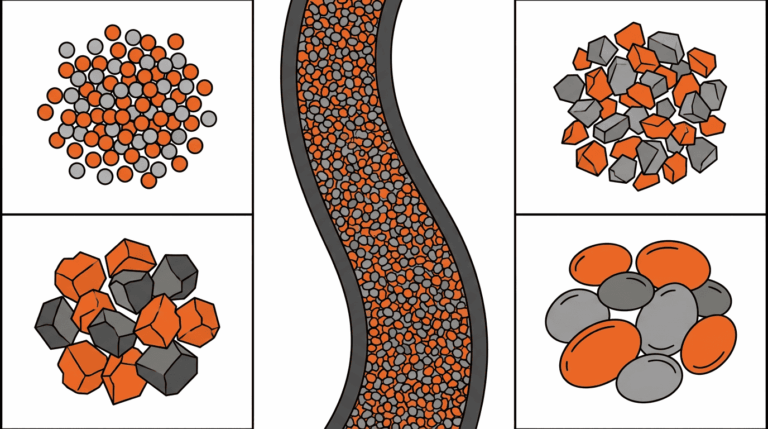
Shape considerations matter more than many people realize. Smooth, rounded stones create organic, comfortable walking surfaces, while angular stones provide better interlocking for structural applications.
Size consistency becomes critical when you want uniform appearance. Mixed sizes can add visual interest but may create uneven surfaces that affect both aesthetics and functionality. A comprehensive stone sizes chart can help you find the perfect fit for your specific project needs.
Budget Tip: Calculate total project costs including stone bags, transportation, and any required equipment rental. Many suppliers offer bulk discounts that can significantly reduce per-unit costs on larger orders.
Quality assessment requires checking supplier credentials and stone sourcing. Look for suppliers who source from reputable quarries and provide consistent grading standards. Learning about the different types of crushed stone available can help you make more informed purchasing decisions.
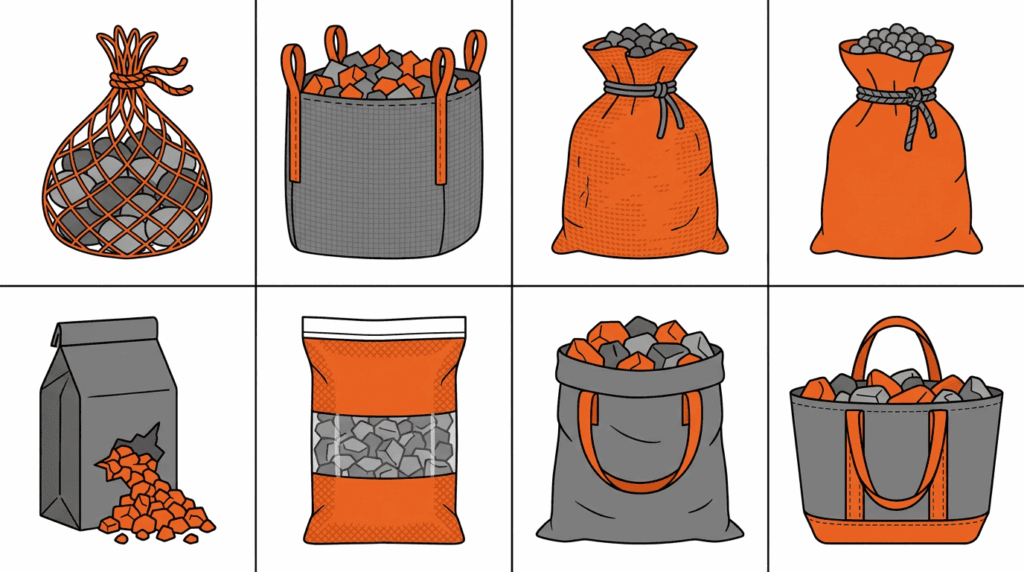
Transportation costs often surprise first-time buyers. Factor in delivery fees or truck rental costs when comparing supplier prices. Sometimes paying slightly more for delivery saves money compared to multiple trips. If you’re working with larger quantities, using a dumpy bag of stones can simplify transportation and handling.
Proper handling and maintenance
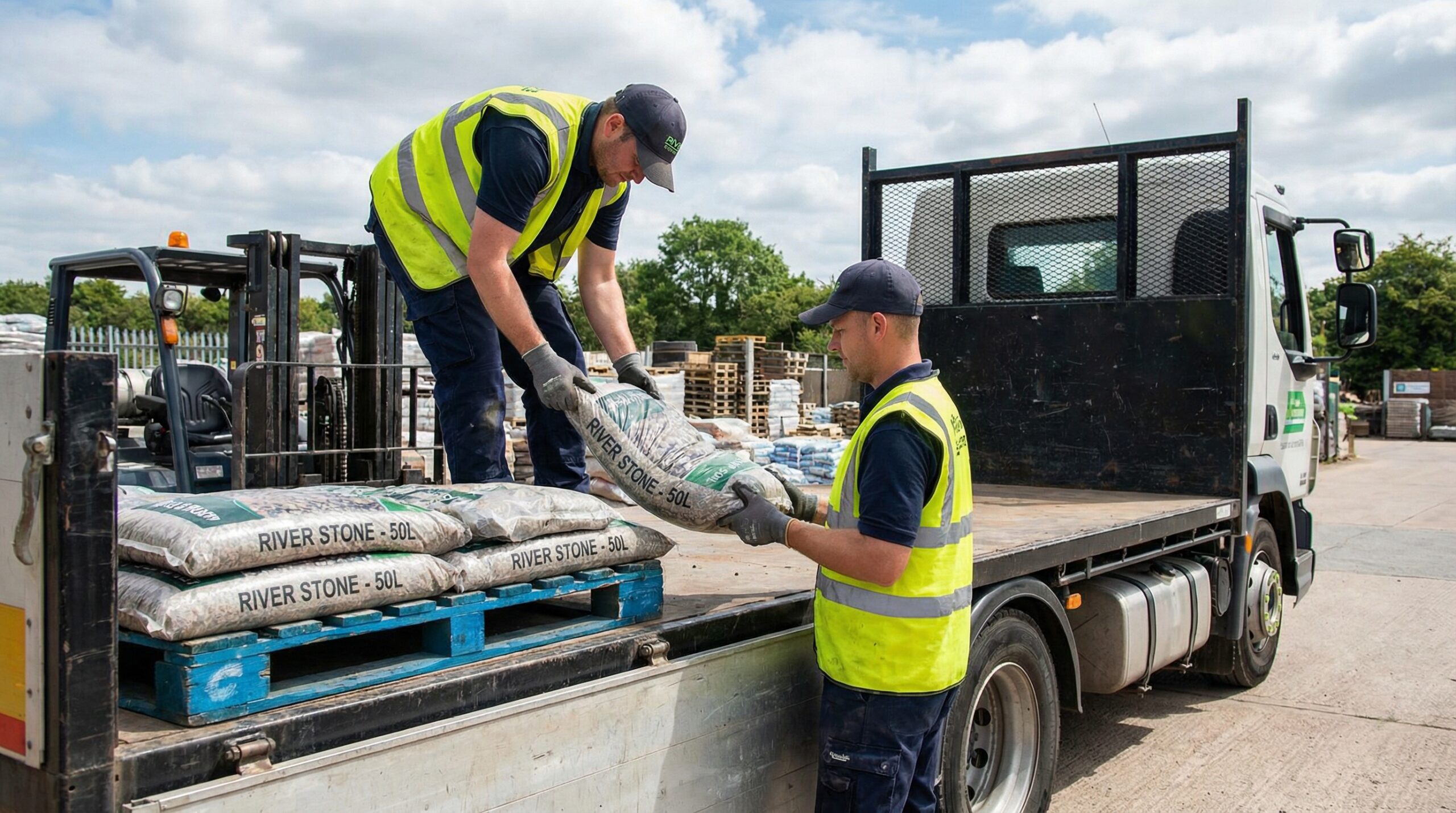
Safe handling protects both workers and materials. Always use proper lifting techniques and distribute weight evenly when moving stone bags. Protective equipment including gloves and safety glasses prevents common injuries.
Storage requirements vary by stone type but generally involve keeping bags in dry, well-ventilated areas away from direct sunlight. UV exposure can degrade certain stone types over extended periods.
Regular cleaning maintains stone appearance and prevents buildup that can affect performance. Use water and gentle brushes for routine cleaning, avoiding harsh chemicals that might damage natural stone surfaces.
Inspection schedules help identify wear patterns or damage before they become serious problems. Check for cracks, discoloration, or structural issues that might compromise safety or aesthetics.
Replacement timing depends on usage intensity and environmental exposure. Stones showing significant wear, safety hazards, or aesthetic degradation should be replaced promptly to maintain project integrity.
Creative applications extend beyond traditional uses. Stone bags can create unique sculptures, artistic installations, or even functional furniture pieces that blend form with function. For decorative projects, exploring the best crushed rock size for decorative landscaping can help you achieve stunning visual effects.
Stone bags represent a fundamental building block for countless projects, from simple garden borders to complex construction applications. Success comes from understanding your specific needs, choosing appropriate materials, and working with reliable suppliers who prioritize quality and service.
The right stone bags, properly selected and maintained, will serve your project well for years to come while providing the aesthetic appeal and structural integrity you need.