Best Gravel Size for Walkways Complete Guide to Choosing the Right Stone
Get an estimate for your project in 60 seconds
 Your information is secure
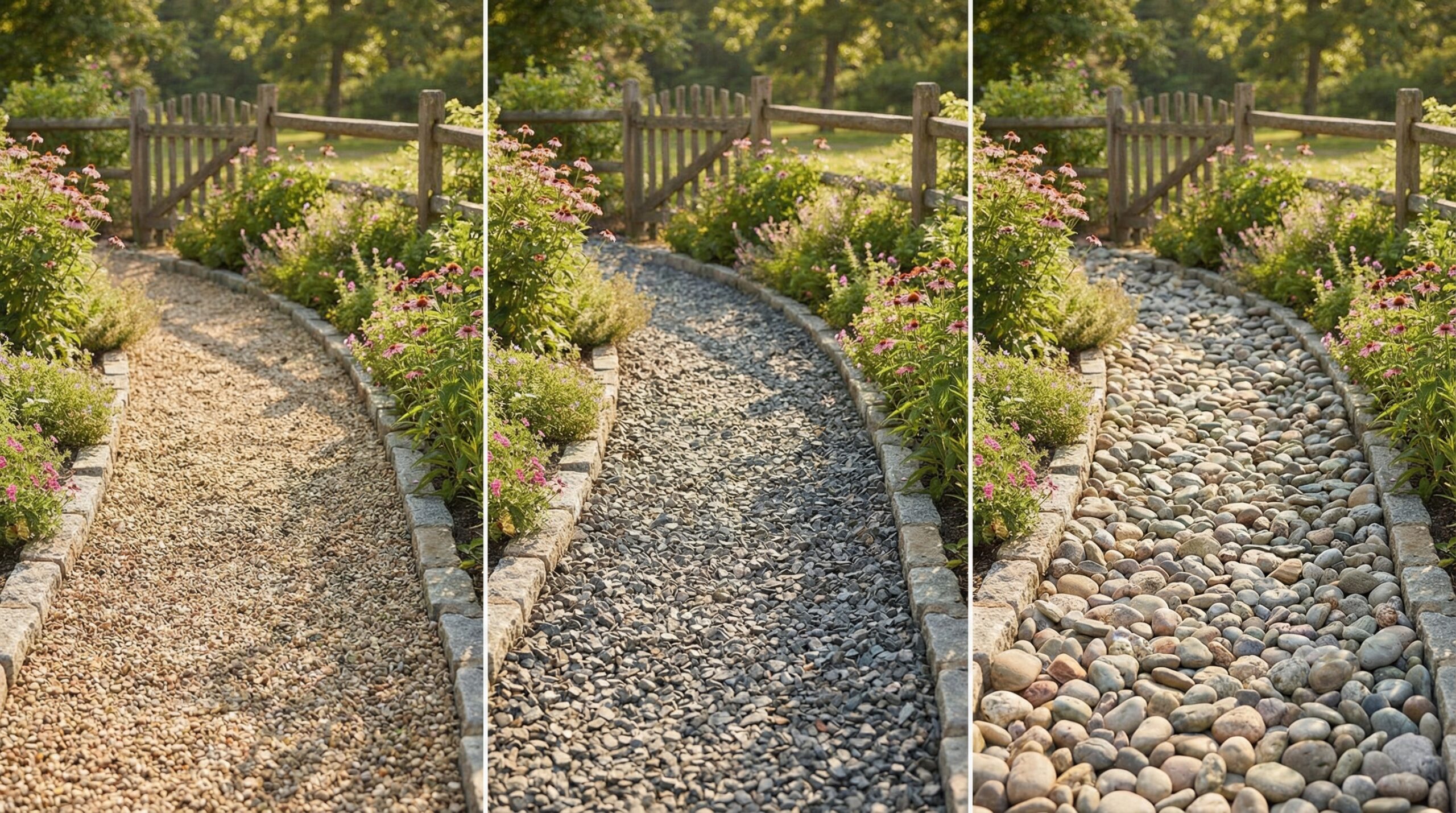
Creating the perfect walkway starts with choosing the right gravel size. Whether you’re designing a garden path or a main entrance, the size of your gravel directly impacts comfort, durability, and drainage. Most residential walkways perform best with 3/8-inch pea gravel for light traffic areas, while medium gravel (3/8 to 3/4 inch) works well for moderate use, and larger stones (3/4 to 1 inch) suit heavy traffic zones.
Quick Answer: For most garden walkways, 3/8-inch pea gravel provides the ideal balance of comfort and stability. High-traffic areas benefit from larger 3/4-inch gravel for better durability.
Understanding the differences between gravel sizes helps you make confident decisions that create walkways you’ll enjoy for years. Let’s explore how to choose the perfect size for your specific needs.
Understanding gravel sizes and their impact
Gravel size affects three key factors in walkway construction: stability, drainage, and walking comfort. The diameter of individual stones determines how well they lock together, how water flows through them, and how comfortable the surface feels underfoot.
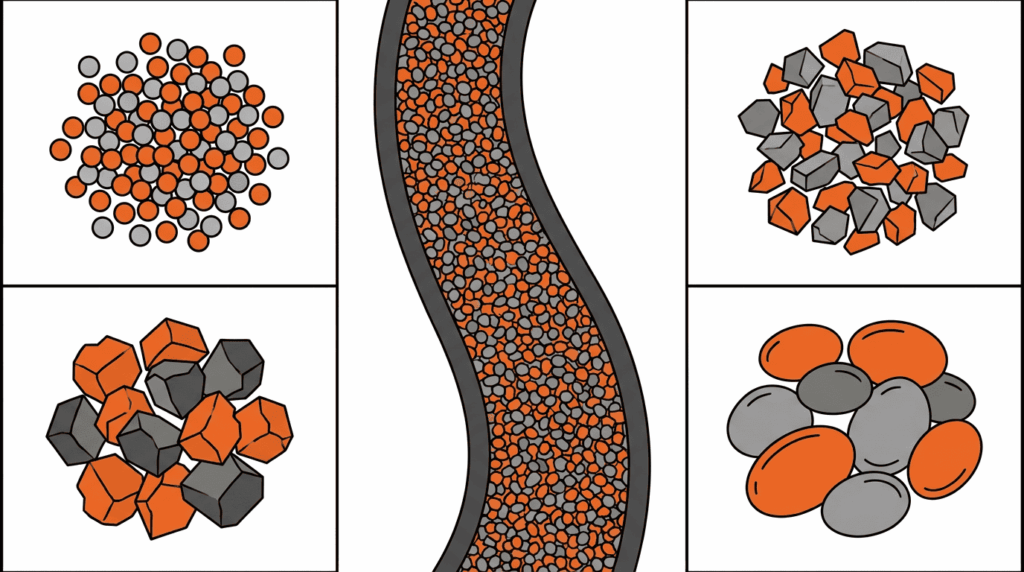
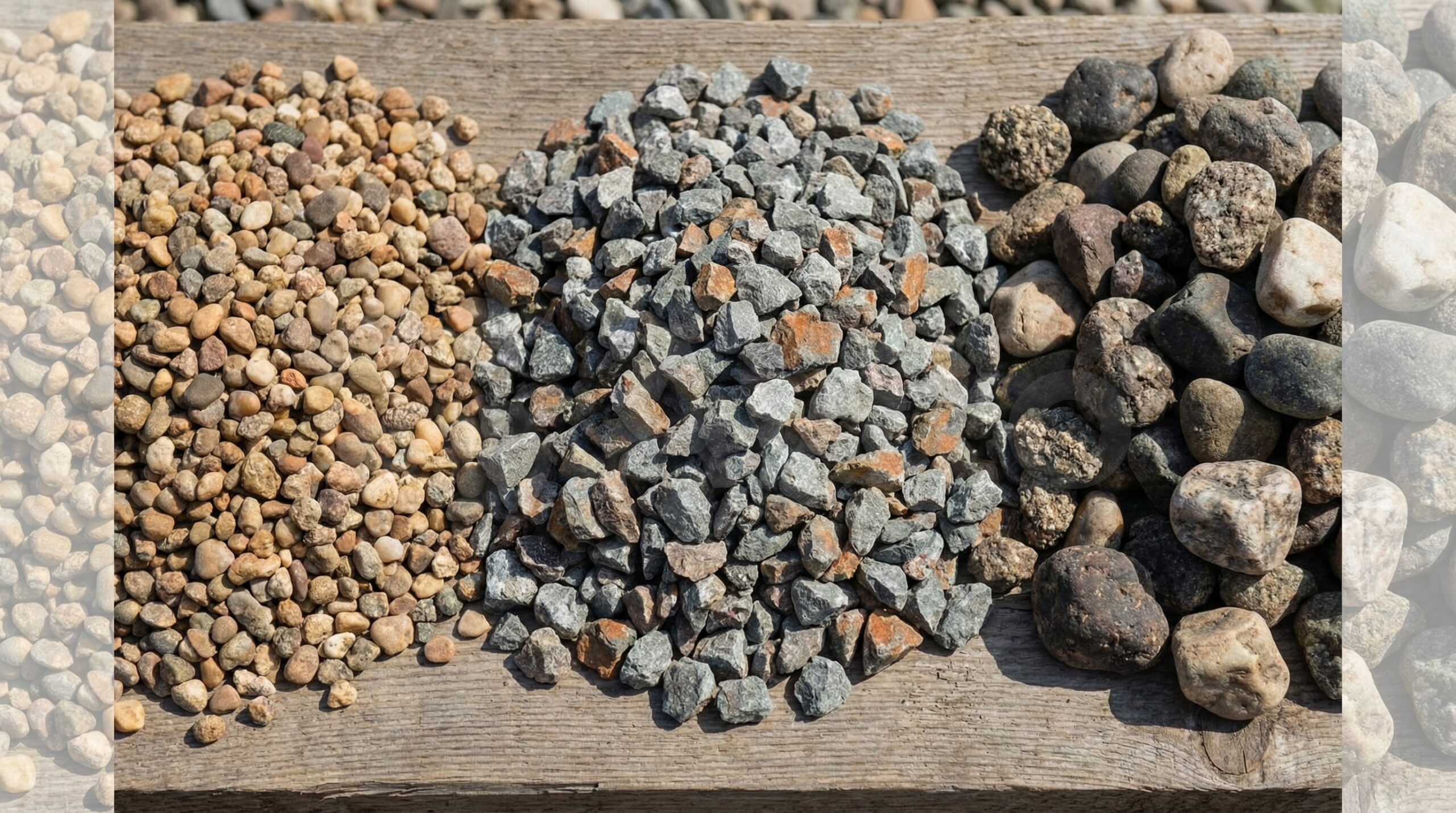
Small gravel, typically called pea gravel, ranges from 1/8 to 3/8 inches in diameter. These rounded stones create smooth surfaces that feel comfortable when walking barefoot or in thin-soled shoes. The compact nature prevents excessive shifting while still allowing good water drainage.
Medium gravel falls between 3/8 and 3/4 inches, offering a balance between stability and comfort. This size works well for areas that need better drainage than small gravel can provide while maintaining a relatively smooth walking surface. To learn more about how different stone dimensions affect your projects, check out our guide on understanding the different sizes of gravel aggregates.
Large gravel measures 3/4 to 1 inch in diameter and provides maximum stability. The larger stones interlock effectively, creating durable surfaces that resist displacement under heavy use. However, the rougher texture may feel less comfortable for casual walking.
Factors that determine the best gravel size
Your walkway’s intended use plays the biggest role in determining the right gravel size. Light foot traffic from occasional garden strolls requires different materials than daily use as a main pathway to your front door.
Consider the people who will use your walkway most often. Families with young children or elderly family members benefit from smoother pea gravel surfaces. Active households with frequent visitors might prefer the durability of medium-sized gravel. If you’re working on other outdoor projects, you might also want to explore the best crushed rock size for a patio for complementary hardscaping.
Climate conditions in your area also influence the best choice. Regions with heavy rainfall need gravel that drains quickly to prevent water pooling. Dry climates allow for smaller gravel sizes without drainage concerns.
Maintenance preferences matter too. Larger gravel typically requires less frequent touch-ups because the stones stay in place better. Smaller gravel may need occasional raking or adding fresh material to maintain appearance.
Pro Tip: Test walk on different gravel sizes at a local supplier before making your final decision. What feels comfortable varies from person to person.
Comparing small, medium, and large gravel options
| Gravel Size | Diameter | Best For | Comfort Level | Maintenance |
|---|---|---|---|---|
| Small (Pea) | 1/8″ – 3/8″ | Light traffic, decorative paths | High | Moderate |
| Medium | 3/8″ – 3/4″ | Moderate traffic, balanced use | Medium | Low |
| Large | 3/4″ – 1″ | Heavy traffic, durability focus | Lower | Very Low |
Small gravel excels in comfort and aesthetics. The smooth, rounded stones feel pleasant underfoot and create an attractive appearance that complements garden settings. Installation is straightforward, and the material spreads easily. However, these smaller stones can shift under heavy use and may require more frequent maintenance in high-traffic areas. For garden applications specifically, our article on the best crushed stone size for a garden bed provides additional insights.
Medium gravel strikes a practical balance for most residential walkways. It provides better stability than small gravel while maintaining reasonable comfort levels. The improved drainage makes it suitable for areas with moderate rainfall, and maintenance requirements stay manageable.
Large gravel delivers maximum durability and requires minimal ongoing care. The substantial stones resist displacement and handle heavy foot traffic without problems. The trade-off comes in reduced comfort, as the rougher surface feels less pleasant for casual walking or bare feet. If you’re considering larger projects that require heavy-duty materials, learn about the best crushed stone size for a driveway.
Installation tips for different gravel sizes
Proper preparation creates the foundation for any successful gravel walkway. Start by excavating your pathway to a depth of 4 to 6 inches, removing grass, weeds, and debris. Level the soil and consider adding landscape fabric to prevent weed growth while allowing drainage.
For small gravel installations, spread material in 2-inch layers and compact gently with a hand tamper. The smaller stones require careful compaction to prevent over-packing, which can reduce drainage. Add material gradually until you reach your desired depth. When purchasing materials, consider reading our guide on choosing a bulk bag of gravel stones to ensure you get the right quantity.
Medium and large gravel installations follow similar principles but benefit from slightly deeper initial excavation. The larger stones need more space to settle properly and create stable interlocking patterns.
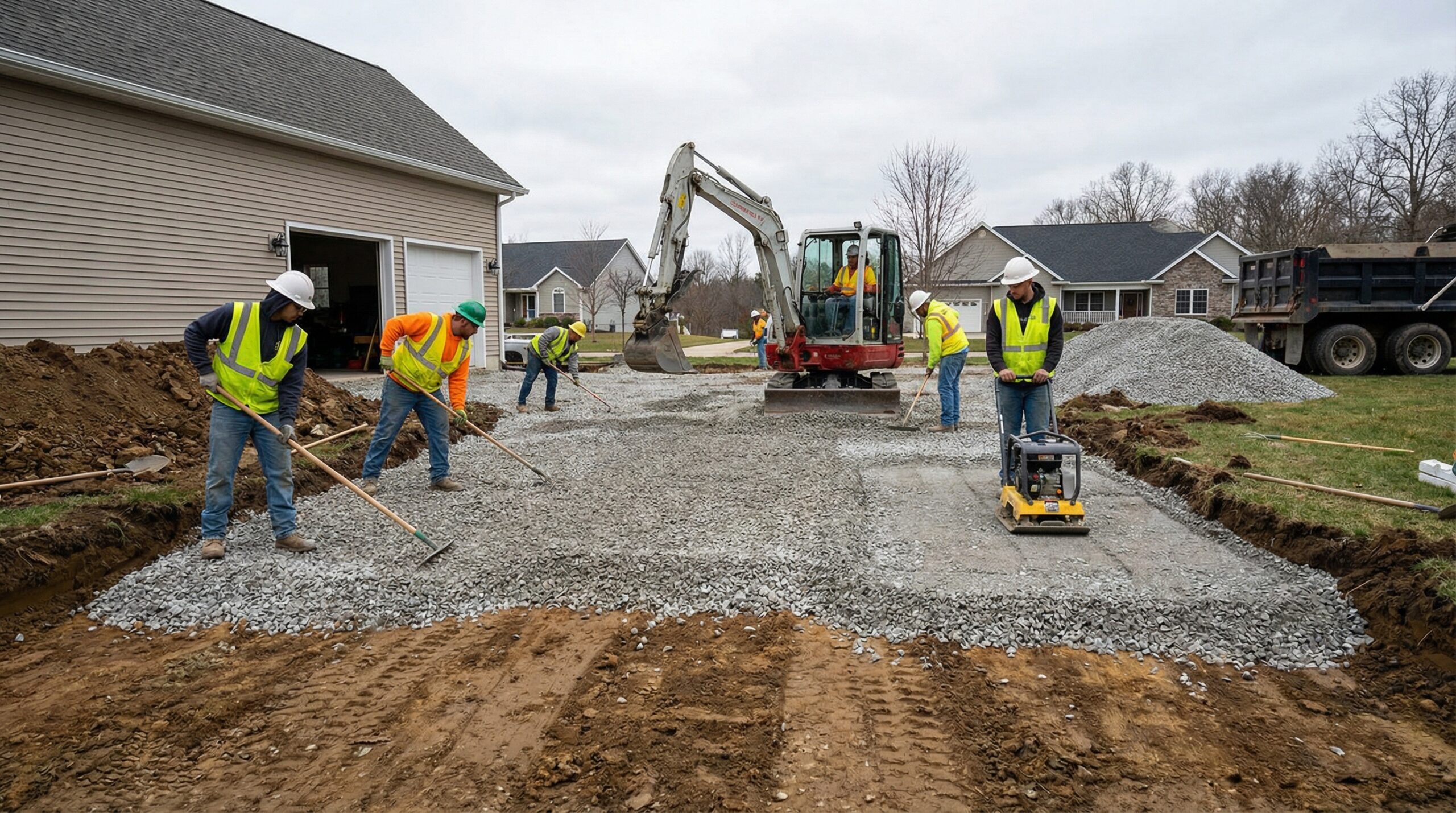
Edge restraints help keep all gravel sizes contained and maintain clean pathway borders. Simple options include plastic edging, stone borders, or treated lumber strips.
Installation Insight: Always order 10% more gravel than your calculations suggest. This accounts for compaction and ensures you have enough material to achieve proper depth throughout your walkway.
Creating beautiful, functional walkways becomes straightforward when you match gravel size to your specific needs. Small gravel works perfectly for decorative garden paths with light use. Medium gravel handles most residential walkway applications with good performance. Large gravel suits high-traffic areas where durability matters most. Consider your climate, intended use, and maintenance preferences to make the best choice for your outdoor space. For a broader understanding of your options, explore our comprehensive guide on types of gravel for landscaping.