Best crushed rock size for landscaping projects
Get an estimate for your project in 60 seconds
 Your information is secure
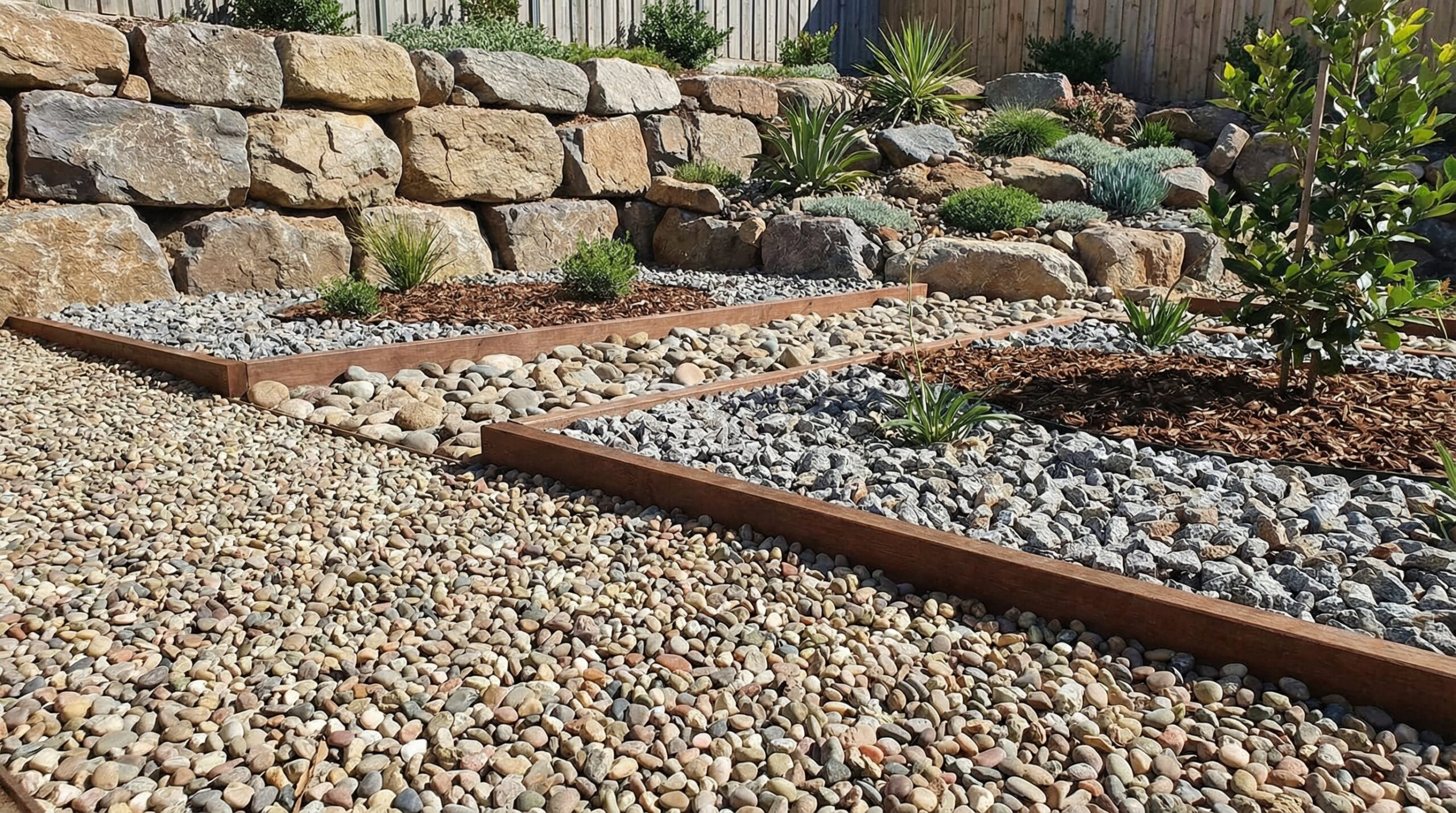
Choosing the wrong crushed rock size can turn your dream landscape into a maintenance nightmare. You might end up with stones that shift underfoot, poor drainage that damages plants, or an aesthetic that clashes with your outdoor vision. The good news is that understanding crushed rock sizes doesn’t have to be complicated.
Whether you’re planning garden pathways, creating a patio area, or building retaining walls, the size of your crushed rock directly impacts both function and appearance. This guide walks you through the most popular sizes, helps you match the right stone to your specific project, and shows you how to avoid common sizing mistakes that cost time and money.
Quick Answer: Pea gravel (1/8″ to 3/8″) works best for comfortable walkways and garden beds, while 3/4″ crushed stone excels in driveways and high-traffic areas. Quarry stone (2″ to 4″) provides maximum stability for retaining walls and drainage systems.
Understanding crushed rock sizing basics
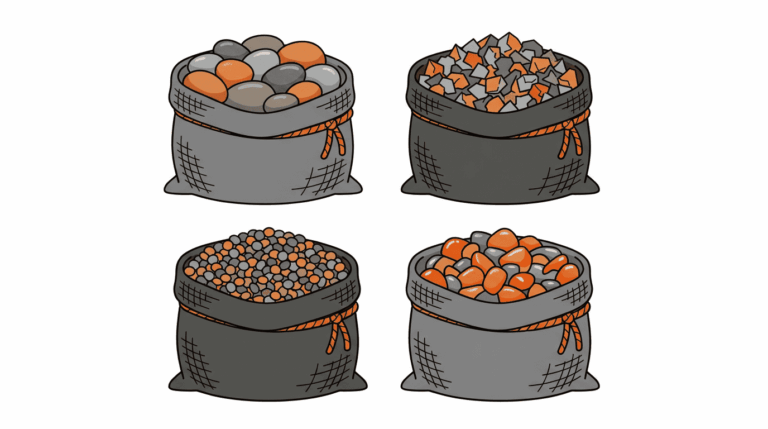
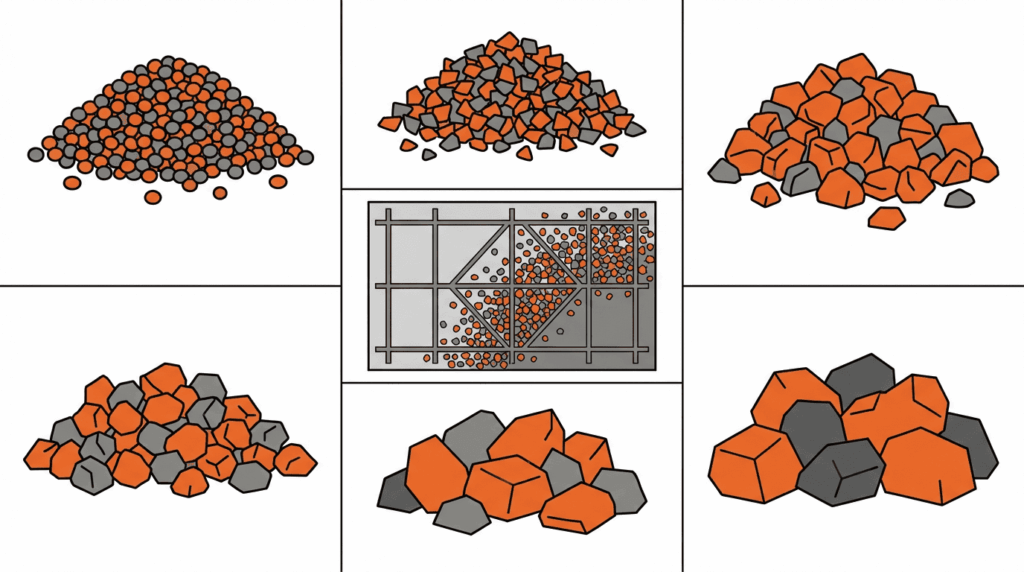
Crushed rock sizes refer to the diameter of individual stones after large rocks get mechanically crushed into smaller pieces. The sizing system might seem backwards at first, but it follows a simple pattern based on how the material gets screened during production.
Smaller measurements like 1/8 inch create smooth, comfortable surfaces perfect for walking. Medium sizes around 3/4 inch offer the sweet spot between stability and comfort for most residential projects. Larger stones measuring 2 inches or more provide maximum drainage and structural support but feel rougher underfoot.
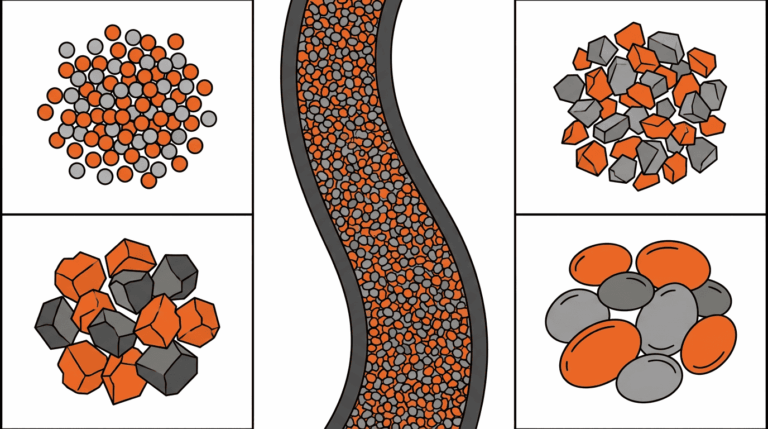
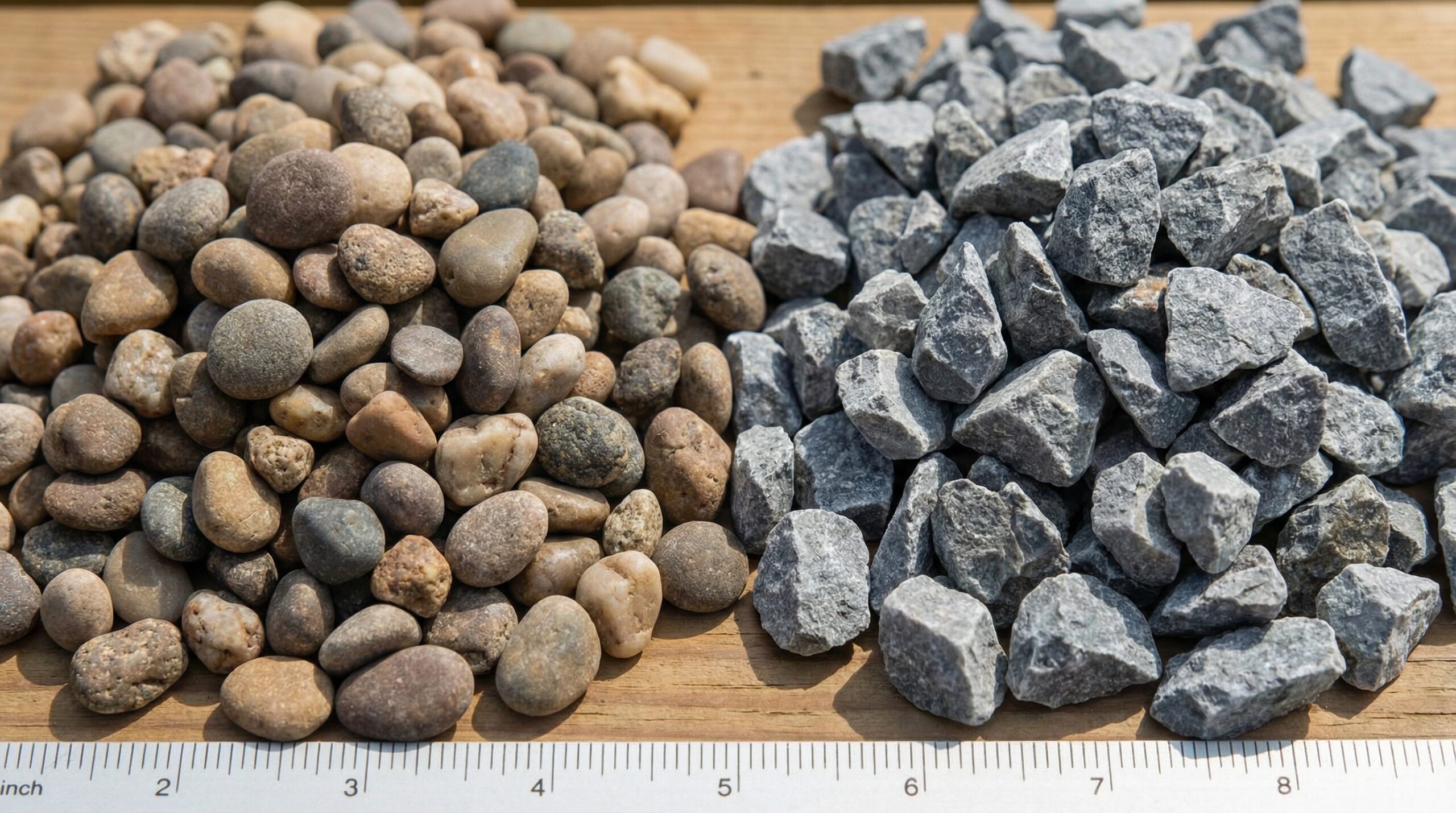
The shape matters just as much as size. Angular crushed stone locks together better than rounded river rock, making it ideal for areas that need stability. Rounded stones like pea gravel feel more comfortable but may shift over time, especially on slopes.
Understanding these basics helps you avoid the most common mistake: choosing stone based purely on appearance without considering how it will perform in your specific application. For a deeper dive into understanding the different sizes of gravel aggregates, you can explore more detailed technical specifications.
Popular crushed rock sizes for different projects
Pea gravel for comfort and aesthetics
Pea gravel ranges from 1/8 to 3/8 inch and features naturally rounded edges that make it comfortable to walk on barefoot. This size works exceptionally well for garden pathways, playground surfaces, and decorative borders around plants.
The small size allows excellent drainage while creating a neat, finished appearance. However, pea gravel can migrate over time, especially on slopes or in high-wind areas. Installing proper edging helps keep it contained and maintains clean lines in your landscape design. If you’re planning a play area, check out our guide on the best gravel size for a playground for safety considerations.
Medium crushed stone for versatility
Crushed stone in the 3/8 to 3/4 inch range offers the best balance of stability and comfort for most homeowners. This size compacts well while still allowing water drainage, making it perfect for driveways, walkways, and patio bases.
The angular shape helps stones lock together, reducing shifting and creating a stable surface that can handle foot traffic and light vehicles. This versatility makes medium crushed stone the go-to choice for many residential landscaping projects. For driveway-specific recommendations, our article on the best crushed stone size for a driveway provides detailed installation tips.
Quarry stone for heavy-duty applications
Quarry stone measuring 2 to 4 inches provides maximum stability and drainage capacity. These larger stones work best for retaining walls, French drains, and areas where you need serious structural support.
While quarry stone doesn’t create comfortable walking surfaces, it excels in functional applications where durability matters more than aesthetics. The large size creates significant void space for water flow, making it essential for proper drainage systems.
Factors that determine the right size choice
Your local climate plays a bigger role in stone selection than most people realize. Areas with heavy rainfall need larger stones that promote quick drainage, while dry climates can accommodate smaller sizes that might otherwise trap water.
Soil type affects your choice too. Clay soils with poor drainage benefit from larger crushed stone that helps water move away from plant roots. Sandy soils that drain quickly can work well with smaller stones that provide better surface stability.
Pro Tip: Test your soil drainage by digging a 12-inch hole and filling it with water. If water remains after 24 hours, choose larger stone sizes to improve drainage around your landscaping features.
Consider the intended use carefully. High-traffic areas need angular crushed stone that locks together and resists shifting. Decorative areas can use rounded stones that feel more comfortable and create softer visual lines.
Your maintenance preferences matter too. Smaller stones may need occasional raking and replenishment, while larger stones typically stay in place longer but can be harder to modify if you want to change your landscape design later.
Practical recommendations for common projects
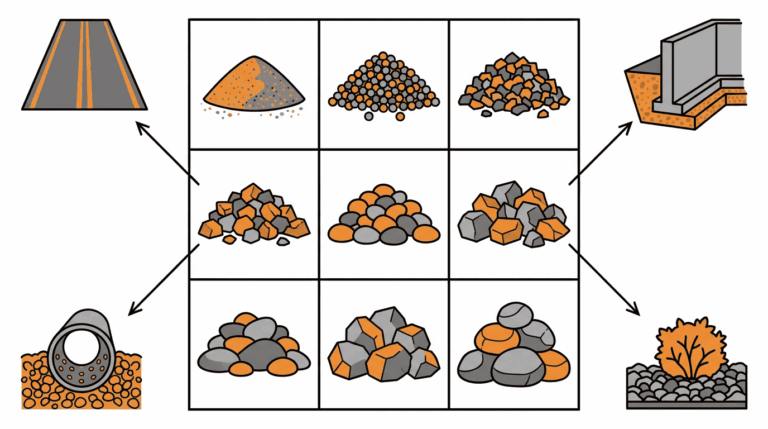
| Project Type | Best Size | Why It Works | Depth Needed |
|---|---|---|---|
| Garden paths | 1/8″ – 3/8″ pea gravel | Comfortable walking, attractive | 2-3 inches |
| Driveways | 3/4″ crushed stone | Stability, compaction, drainage | 3-4 inches |
| Drainage systems | 1-2″ quarry stone | Maximum water flow, structural support | 12-18 inches |
| Decorative borders | 3/8″ – 1/2″ river rock | Visual appeal, stays in place | 2-3 inches |
For pathways through garden areas, stick with pea gravel or small river rock. These sizes feel comfortable underfoot and complement plantings without overwhelming smaller landscape features. Install landscape fabric underneath to prevent weeds while maintaining drainage. Learn more about the best gravel size for a walkway to ensure optimal comfort and longevity.
Driveways need the stability that comes from angular crushed stone. The 3/4 inch size provides excellent compaction while still allowing water to drain through. Avoid rounded stones for driveways, as they tend to shift under vehicle weight and create an unstable surface.
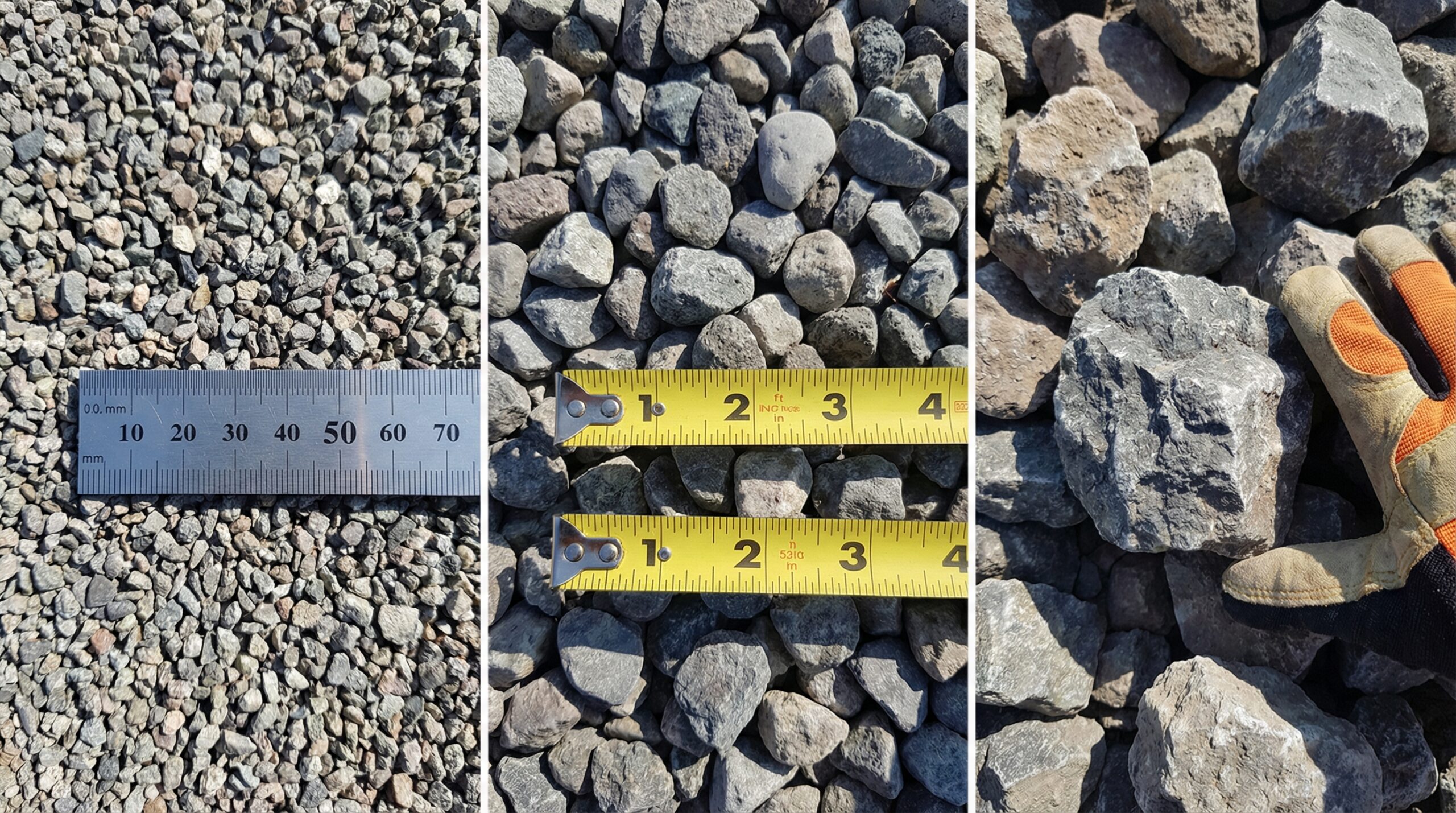
Drainage applications require larger stones that create substantial void space for water movement. French drains and foundation drainage work best with 1 to 2 inch angular stone that won’t clog with sediment over time.
Money-Saving Tip: Calculate your needs carefully and order 10% extra material to account for compaction and settling. Most suppliers offer better pricing on larger orders, and having extra stone on hand helps with future touch-ups.
When planning decorative features, consider how the stone size relates to surrounding elements. Large quarry stone can overwhelm small garden beds, while tiny pea gravel might get lost around mature trees and large shrubs. For garden-specific applications, explore our guide on the best crushed stone size for a garden bed for planting area recommendations.
Choosing the right crushed rock size transforms your landscaping from functional to exceptional. By matching stone size to your specific needs, considering local conditions, and planning for long-term maintenance, you create outdoor spaces that look great and perform well for years to come. Take time to evaluate your project requirements, and don’t hesitate to consult with local suppliers who understand your area’s unique challenges and opportunities. For a comprehensive overview of all your options, check out our comprehensive guide to different types of crushed stone.