Best Crushed Stone Size for Driveways Complete Guide
Get an estimate for your project in 60 seconds
 Your information is secure
Choosing the wrong crushed stone size for your driveway can lead to costly repairs, poor drainage, and constant maintenance headaches. The right size makes all the difference between a driveway that lasts decades and one that requires frequent fixes.
For most residential driveways, ¾ inch crushed stone offers the best balance of stability, drainage, and comfort. This size compacts well under vehicle weight while allowing proper water flow. However, your specific situation might call for different sizes based on traffic load, climate conditions, and maintenance preferences.
Quick fact: According to 3dev.hellogravel.com, ¾ inch to 1 inch crushed stone is the most recommended size for driveway surfaces, offering optimal compaction and drainage for residential applications.
Understanding crushed stone sizes helps you make an informed decision that saves money and prevents future problems. This guide walks you through the most common sizes, key factors to consider, and practical tips for selecting the perfect material for your driveway project.
Understanding crushed stone size options
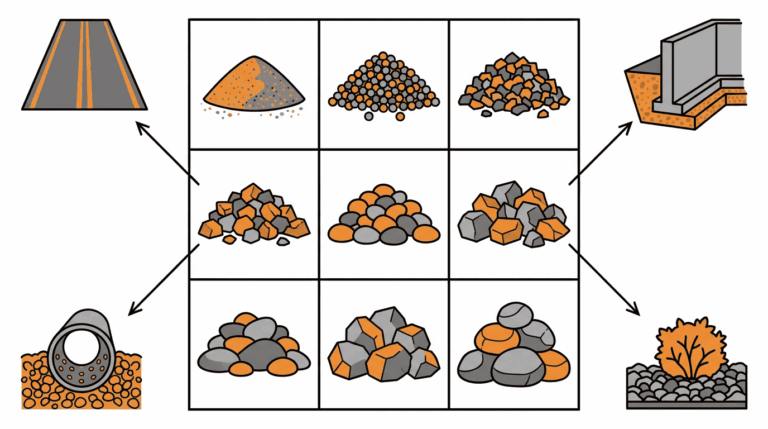
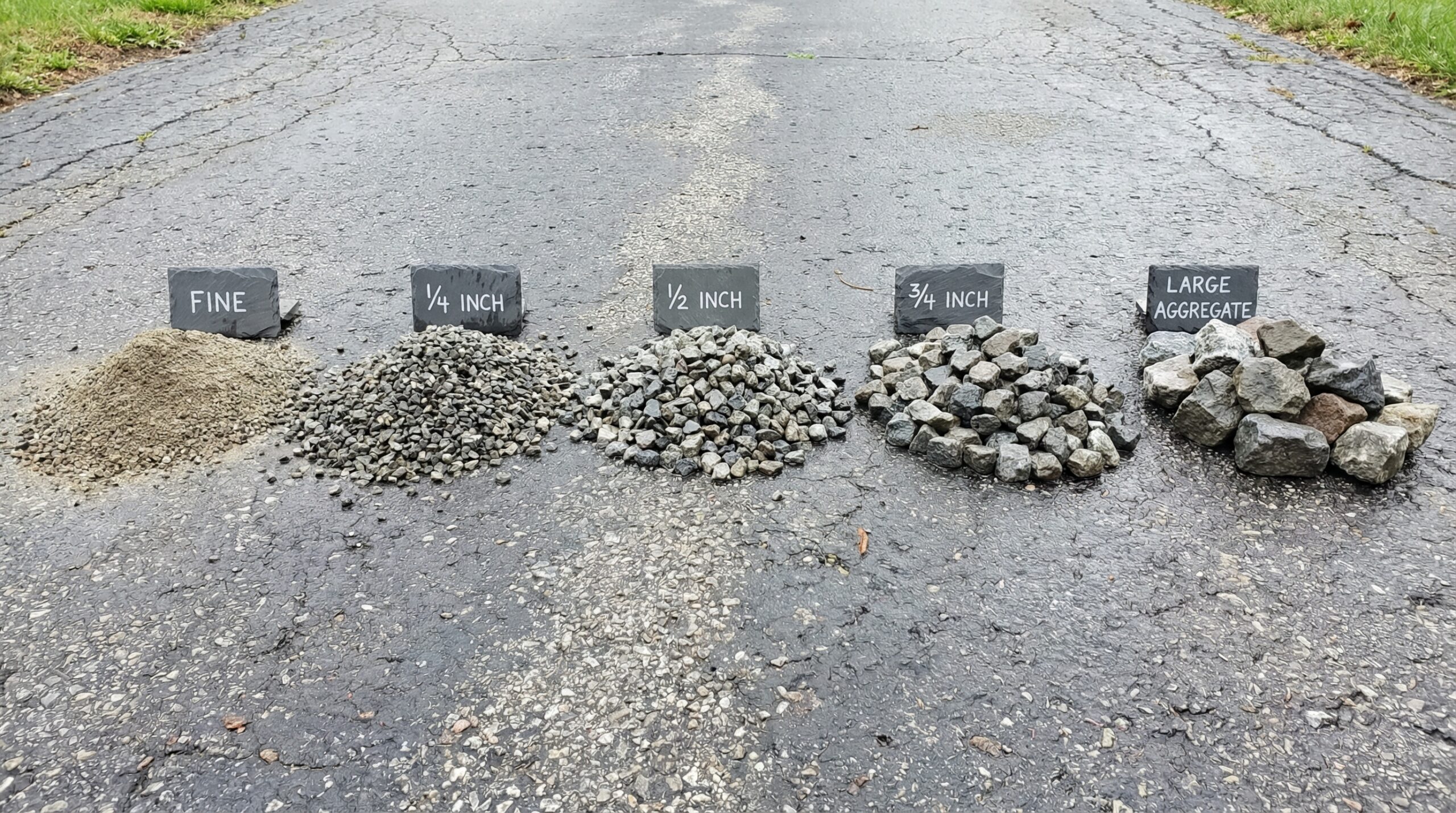
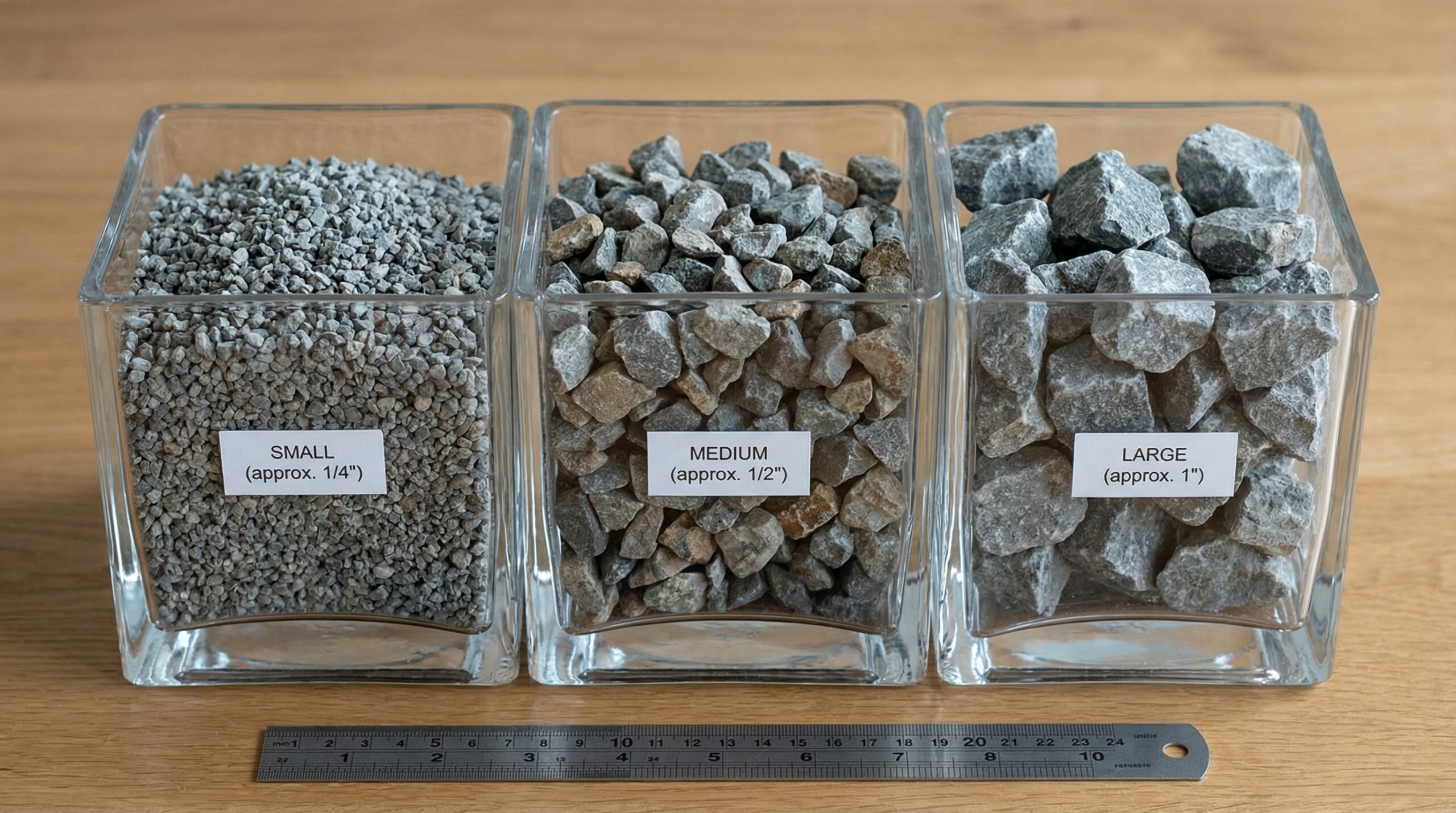
Crushed stone comes in several standard sizes, each designed for specific applications and performance requirements. The sizing system might seem confusing at first, but it follows a logical pattern based on screen measurements used during production.
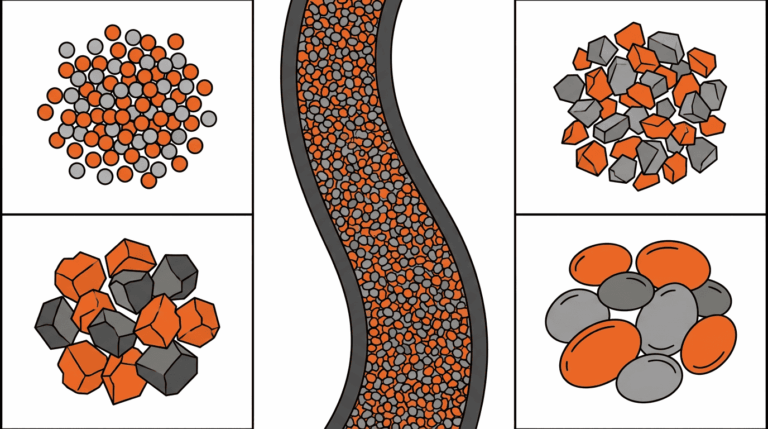
Dust and screenings represent the finest option, with particles smaller than ⅜ inch. This material excels as a base layer because it compacts extremely well, creating a solid foundation. However, it can become muddy in wet conditions and doesn’t provide adequate drainage when used alone.
⅜ inch crushed stone creates smooth, compact surfaces that feel comfortable underfoot. This size works well for light traffic areas and provides good drainage while maintaining stability. Many homeowners choose this size for decorative applications or areas where appearance matters most. If you’re working on other outdoor projects, you might also want to explore what is the best gravel size for a walkway to ensure consistency across your property.
¾ inch crushed stone strikes the perfect balance for most residential driveways. As noted by 3dev.hellogravel.com, this size provides good traction without being uncomfortable and compacts well under normal car traffic. It handles daily use effectively while maintaining proper drainage.
1 inch crushed stone delivers maximum durability for heavy-duty applications. If you regularly park trucks, RVs, or heavy equipment, this larger size distributes weight better and resists rutting. The trade-off comes in surface roughness and potentially higher costs. For similar heavy-duty applications, you can learn more about the best crushed rock size for road construction.
| Stone Size | Best Use | Traffic Type | Key Benefits |
|---|---|---|---|
| Dust/Screenings | Base layer | All | Excellent compaction |
| ⅜ inch | Light traffic | Cars only | Smooth surface |
| ¾ inch | Standard driveways | Cars/light trucks | Balanced performance |
| 1 inch | Heavy duty | All vehicles | Maximum durability |
Key factors for choosing the right size
Your driveway’s specific conditions should guide your size selection more than general recommendations. Several critical factors determine which crushed stone size will perform best in your situation.
Traffic load and vehicle types represent the most important consideration. Standard passenger cars work fine with ¾ inch stone, but heavier vehicles need larger sizes for stability. If delivery trucks, moving vans, or recreational vehicles regularly use your driveway, consider 1 inch stone to prevent rutting and surface damage.
Climate and drainage needs significantly impact performance. Areas with heavy rainfall require larger stone sizes that allow water to flow freely between particles. According to 3dev.hellogravel.com, larger stones create better drainage by providing more void space for water movement. Understanding the different sizes of gravel aggregates can help you make the right choice for your climate conditions.
Driveway slope and grade affect stone stability. Steep driveways need angular crushed stone rather than rounded gravel, and larger sizes help prevent washout during heavy rains. Flat driveways can accommodate smaller sizes without stability concerns.
Pro tip: Most successful driveways use multiple stone sizes in different layers rather than a single size throughout the entire depth, as recommended by 3dev.hellogravel.com.
Maintenance preferences should influence your decision between stone types. Larger stones require less frequent maintenance but create rougher surfaces. Smaller stones need occasional raking and replenishment but provide smoother driving experiences.
Installation best practices and layered systems
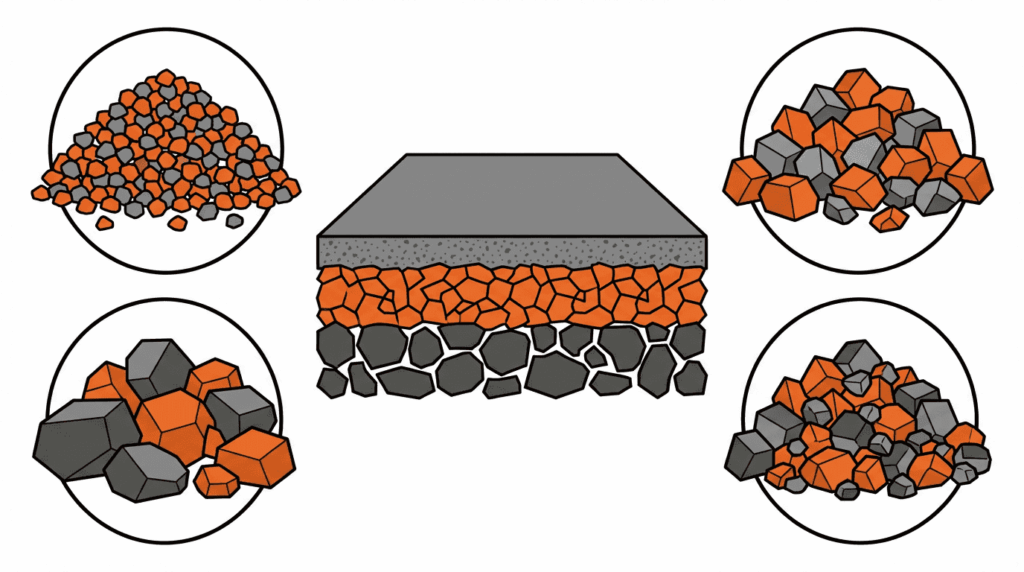
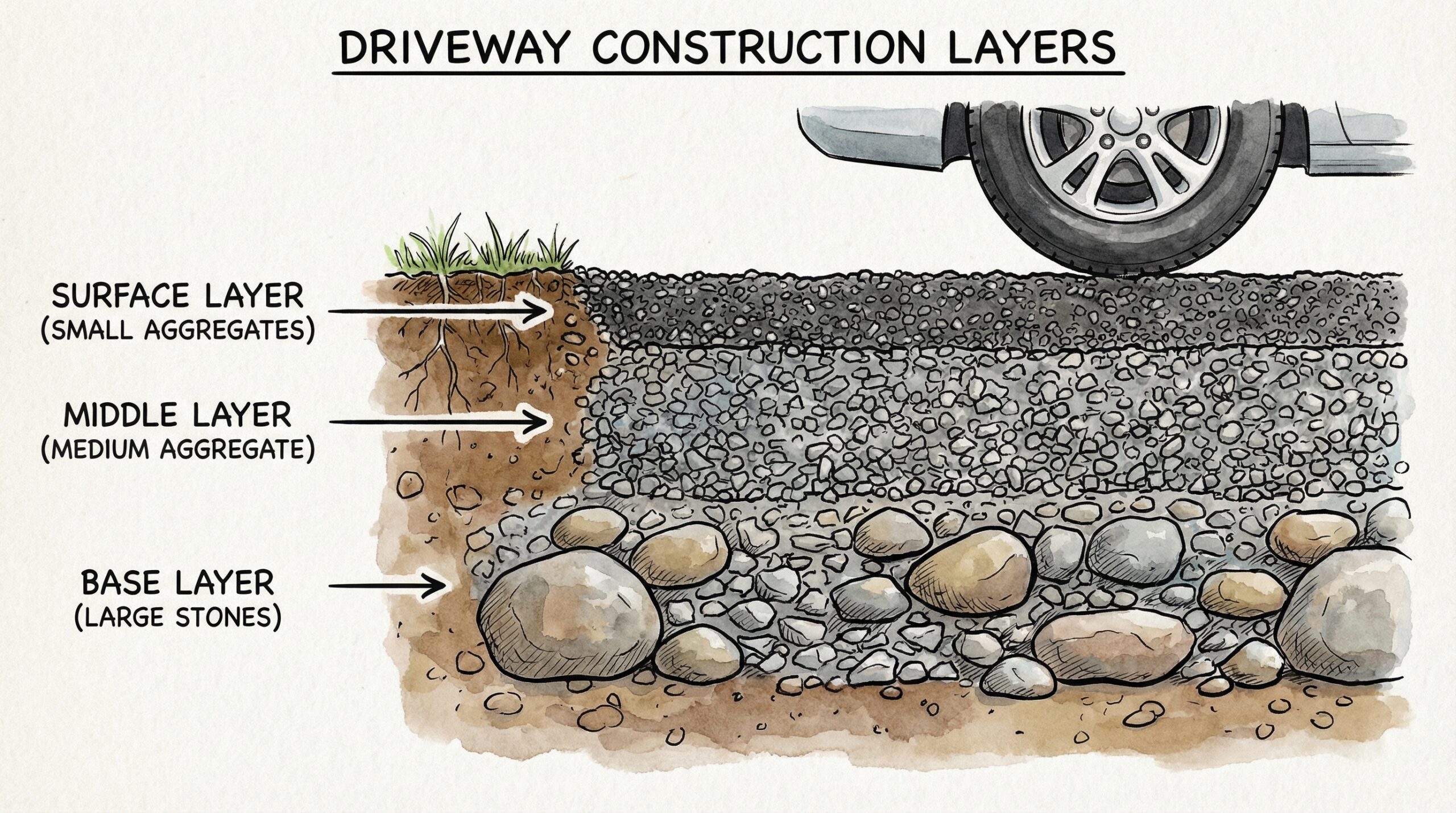
Professional driveway construction typically uses a three-layer system with different stone sizes for optimal performance. This approach maximizes both durability and functionality while addressing drainage and stability concerns.
Base layer installation requires the largest stones, typically 1½ to 2 inches, applied 4 to 6 inches deep. This foundation layer bears the primary weight load and prevents the driveway from sinking into soft soil. Large angular stones lock together better than rounded alternatives, creating a stable platform for upper layers. For more information on foundation materials, check out our guide on screened rock.
Middle layer application uses medium-sized stones, usually ¾ inch crushed stone, applied 3 to 4 inches deep. This layer provides additional stability while beginning the transition to a smoother surface. It also helps with drainage by allowing water to flow down to the base layer while preventing fine particles from migrating upward.
Surface layer finishing employs your chosen driving surface material, typically ¾ inch to 1 inch crushed stone, applied 1 to 2 inches deep. This final layer determines comfort, appearance, and immediate performance characteristics. The choice between sizes depends on your priorities regarding durability versus smoothness.
Each layer must be compacted thoroughly before adding the next material. Proper compaction often matters more than the exact stone size you choose, as it ensures stones lock together and create a stable, long-lasting surface.
Common mistakes and how to avoid them
Several common errors can undermine your driveway’s performance regardless of which stone size you choose. Understanding these pitfalls helps ensure your project succeeds from the start.
Ignoring drainage requirements represents the most costly mistake. Choosing stone sizes without considering local rainfall patterns and soil conditions leads to water pooling, erosion, and premature failure. Always prioritize drainage capabilities, especially in areas with poor soil drainage or heavy precipitation.
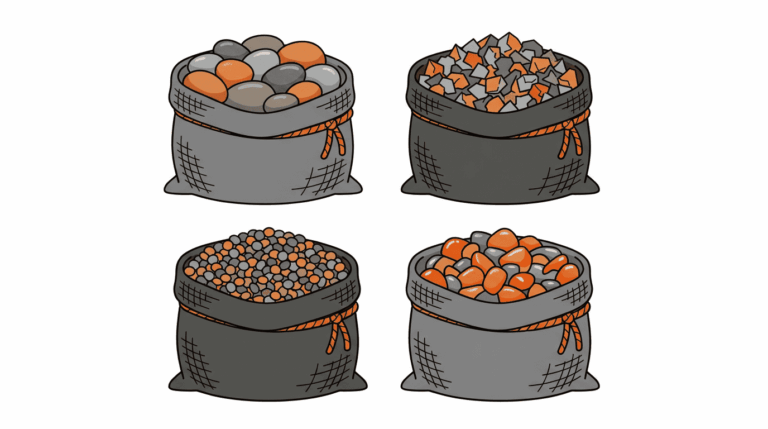
Skipping proper base preparation causes even the best stone to fail prematurely. Inadequate excavation, poor soil compaction, or missing base layers create unstable foundations that develop ruts and soft spots over time. Invest in proper preparation to maximize your stone investment. When planning your material needs, consider using a bulk bag of gravel stones for cost-effective delivery.
Mixing incompatible materials creates performance problems. Using rounded river rock with angular crushed stone or combining materials with vastly different compaction characteristics leads to uneven settling and surface irregularities. To better understand material compatibility, explore our comprehensive guide to different types of crushed stone.
Important consideration: According to 3dev.hellogravel.com, proper installation matters as much as stone size selection, as even the best materials won’t perform well without adequate preparation and thorough compaction.
Underestimating material quantities results in project delays and additional delivery costs. Calculate your needs carefully, including 10 to 15 percent extra for compaction and settling. Different stone sizes have different coverage rates, so base layers typically require more material than surface layers for the same area.
Selecting the right crushed stone size for your driveway involves balancing multiple factors including traffic requirements, climate conditions, and maintenance preferences. While ¾ inch crushed stone works well for most residential applications, your specific situation might benefit from different sizes or a layered approach using multiple materials. Focus on proper sizing and installation techniques to create a driveway that performs reliably for many years with minimal upkeep.