Best Crushed Rock Size for Patio Projects
Get an estimate for your project in 60 seconds
 Your information is secure
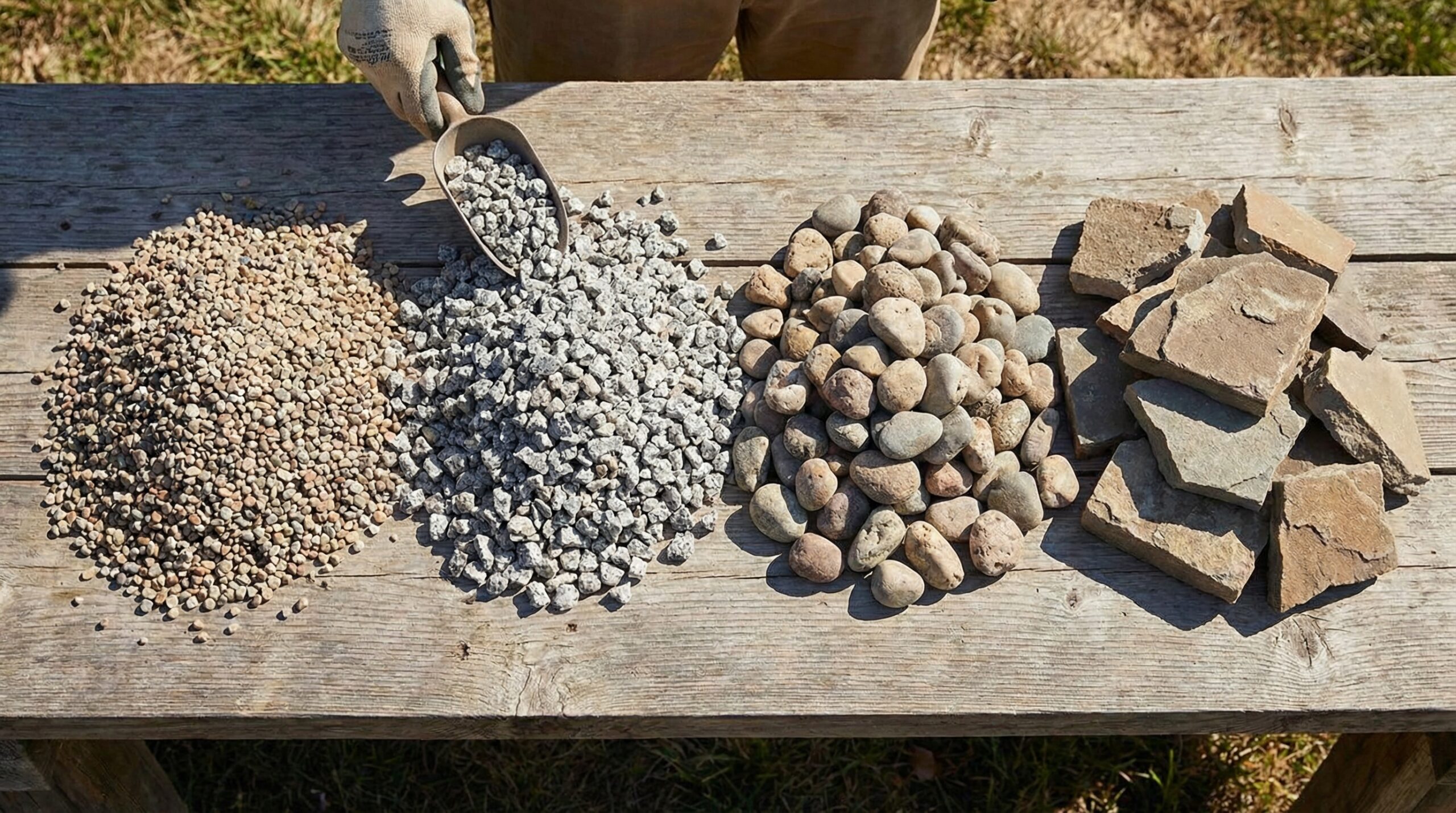
Choosing the right crushed rock size for your patio directly impacts its durability, drainage, and visual appeal. The best size depends on your specific needs, but most residential patios perform well with 3/8-inch to 3/4-inch crushed rock, which provides the ideal balance of stability and comfort underfoot.
Quick Answer: For most patio projects, 3/8-inch crushed rock offers excellent stability and drainage while remaining comfortable for foot traffic. Smaller sizes like 1/4-inch work better for decorative areas, while 3/4-inch to 1-inch sizes suit high-traffic zones.
Understanding the different crushed rock sizes available and how they perform in various conditions helps you make an informed decision that suits your outdoor space perfectly. From drainage considerations to aesthetic preferences, each size brings unique benefits to your patio project.
Understanding crushed rock sizes for patios
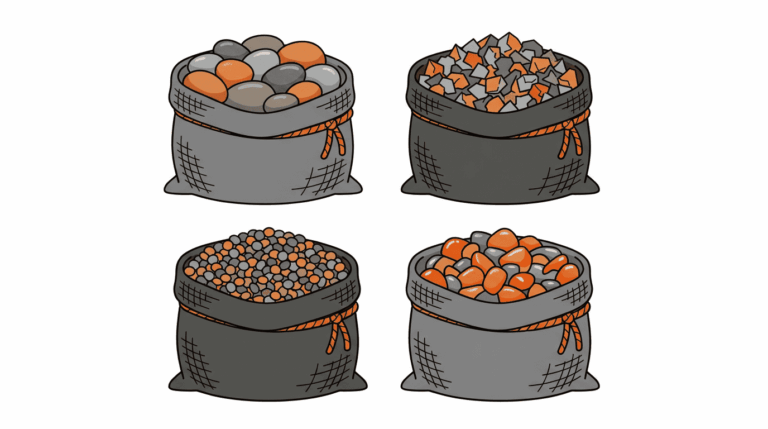
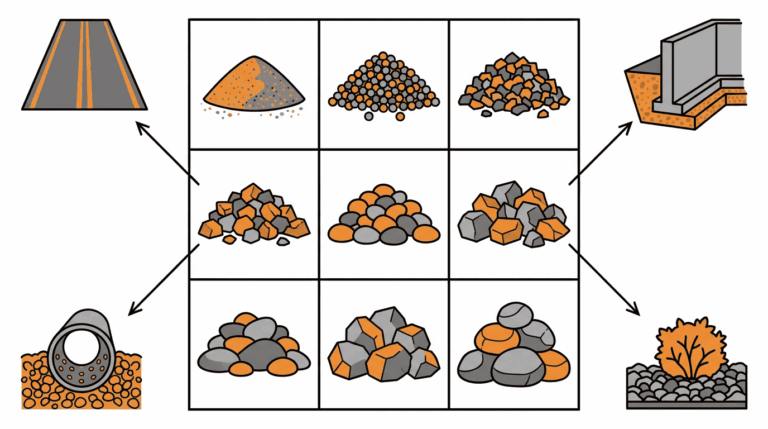
Crushed rock sizes are measured by their diameter, typically ranging from 1/4 inch to 1 inch for patio applications. According to 3dev.hellogravel.com, each size serves different purposes and offers distinct characteristics that affect your patio’s performance.
The most common sizes for patio projects include 1/4-inch, 3/8-inch, 3/4-inch, and 1-inch crushed rock. Smaller sizes create smoother, more compact surfaces that feel comfortable underfoot. Larger sizes provide better drainage and stability but may feel less comfortable for barefoot walking.
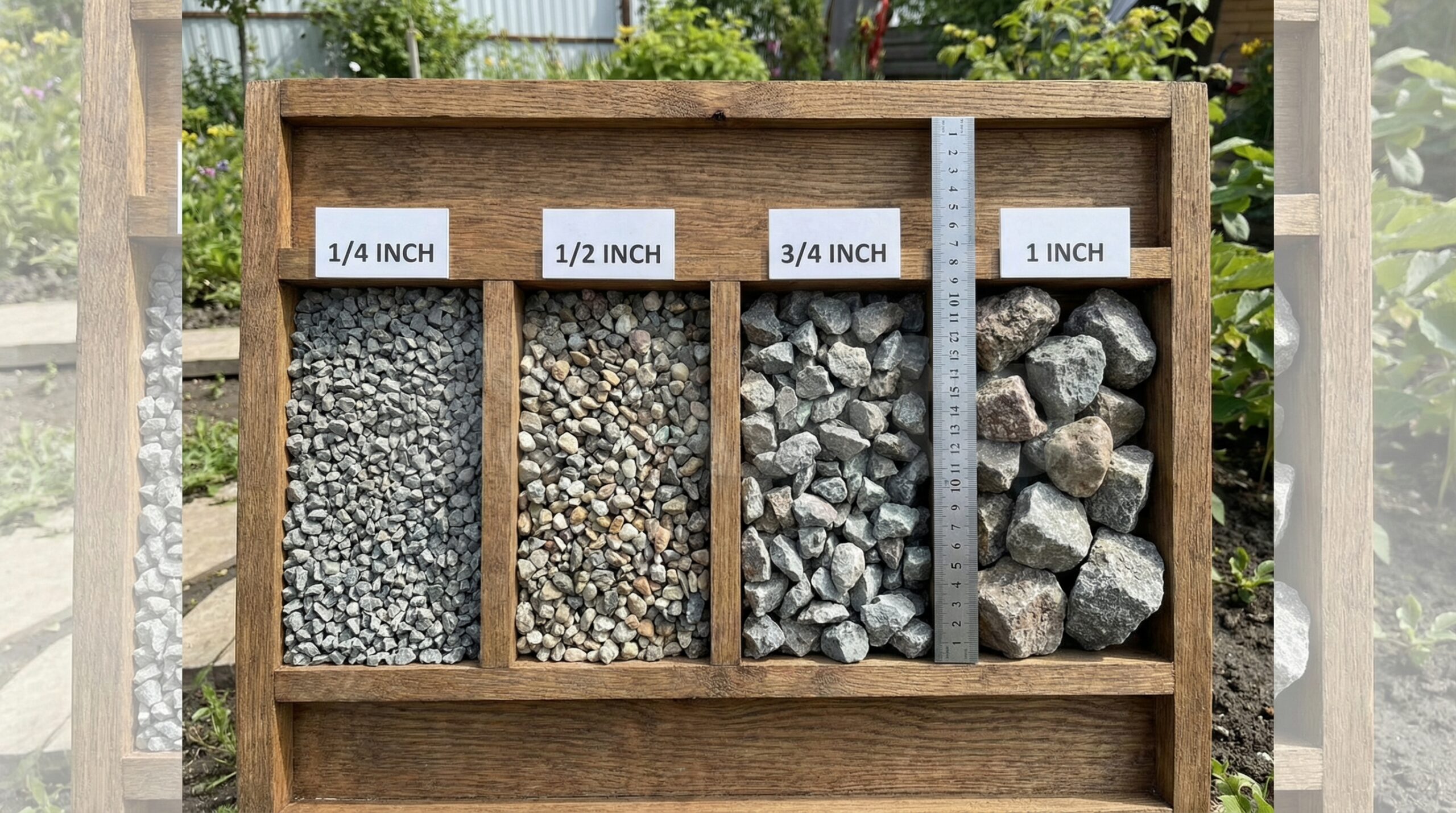
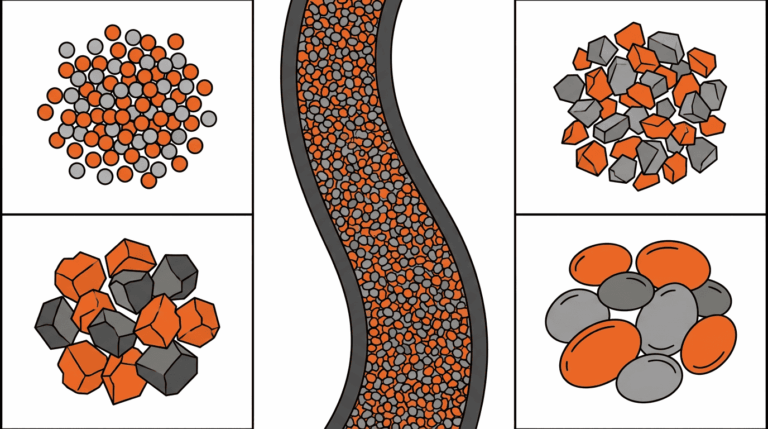
The angular shape of crushed rock helps pieces lock together when compacted, creating a stable surface that resists shifting. This characteristic makes crushed rock superior to rounded gravel for patio applications where stability matters most.
| Size | Stability | Drainage | Comfort | Best Use |
|---|---|---|---|---|
| 1/4 inch | Good | Fair | Excellent | Decorative areas, walkways |
| 3/8 inch | Very Good | Good | Very Good | General patio surfaces |
| 3/4 inch | Excellent | Very Good | Good | High-traffic patios |
| 1 inch | Excellent | Excellent | Fair | Heavy-duty applications |
Key factors when choosing your patio rock size
Your patio size and intended use significantly influence the best crushed rock size for your project. Smaller patios often benefit from finer materials like 1/4-inch or 3/8-inch rock, which create a more refined appearance proportional to the space.
For larger patios or areas expecting heavy foot traffic, 3/4-inch crushed rock provides superior stability and longevity. The larger pieces resist displacement better under frequent use while maintaining good drainage characteristics. If you’re also planning pathways around your patio, consider reviewing the best gravel size for a walkway to ensure consistency throughout your outdoor space.
Climate considerations also play a crucial role in size selection. Areas with heavy rainfall benefit from larger rock sizes that allow water to percolate through quickly, preventing pooling and potential damage. As noted by 3dev.hellogravel.com, proper drainage stone should have minimal fine particles that could clog the system.
Pro Tip: If your patio receives regular vehicle traffic or heavy furniture, choose 3/4-inch or larger crushed rock to prevent rutting and maintain surface integrity over time.
Your desired aesthetic also influences size selection. Smaller rocks create smoother, more formal appearances, while larger sizes offer rustic, textured looks that complement natural landscaping styles. For decorative elements surrounding your patio, explore the best crushed rock size for decorative landscaping to create cohesive outdoor designs.
Benefits of using crushed rock for patios
Crushed rock offers exceptional durability compared to other patio materials, withstanding heavy foot traffic without easily wearing down or becoming damaged. The angular pieces lock together when properly compacted, creating a stable surface that maintains its integrity for years.
The drainage capabilities of crushed rock make it ideal for outdoor applications. Unlike solid paving materials, crushed rock allows water to percolate through, reducing runoff and preventing water damage to surrounding areas. This permeability also helps prevent ice formation in colder climates.
Cost-effectiveness represents another significant advantage of crushed rock patios. The material costs less than concrete, pavers, or natural stone while requiring minimal ongoing maintenance. Regular sweeping and occasional raking keep crushed rock patios looking their best. When planning your material needs, understanding the different sizes of gravel aggregates helps you order the right quantities for your project.
The versatility of crushed rock allows for easy modifications and repairs. Unlike permanent paving materials, you can easily adjust grades, add material, or change the patio layout without major reconstruction costs.
Installation and maintenance considerations
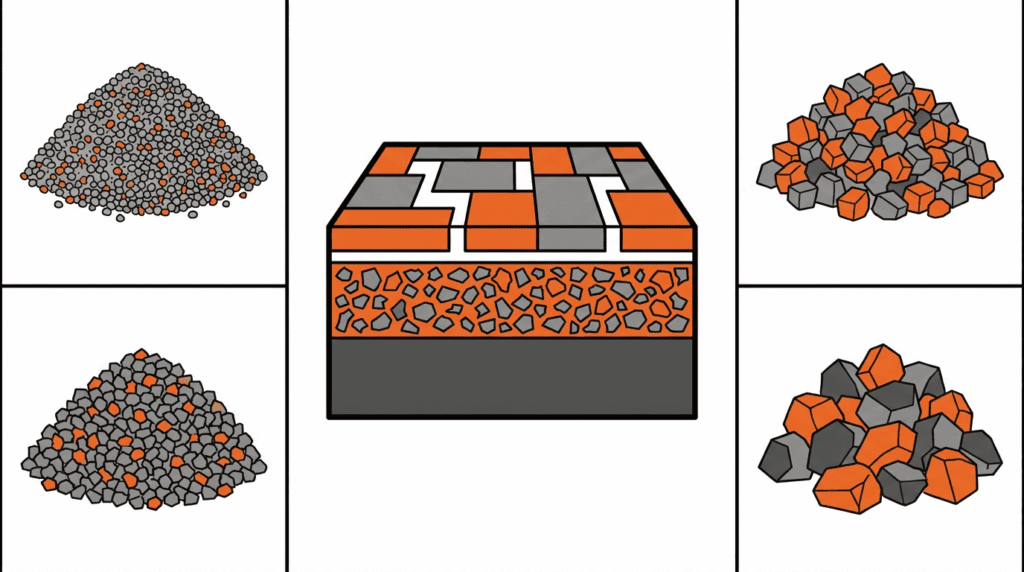
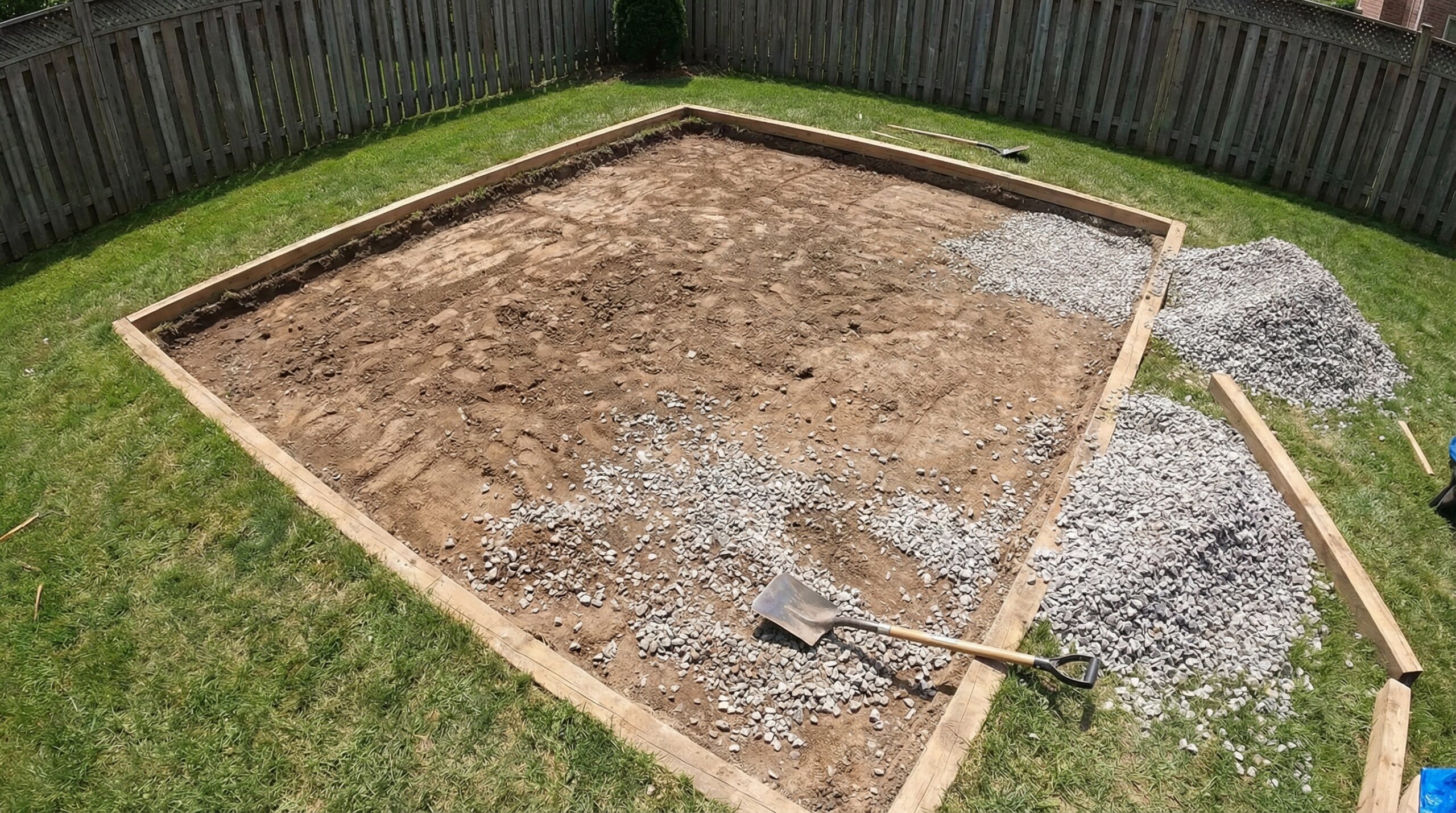
Proper installation begins with excavating the patio area to the appropriate depth, typically 3-4 inches for most residential applications. The excavation should include a slight slope away from structures to ensure proper drainage.
Installing landscape fabric before adding crushed rock prevents weed growth while maintaining drainage. The fabric acts as a barrier between the soil and rock, reducing maintenance requirements over time.
Compacting the crushed rock in thin layers creates the most stable surface. Add rock in 2-inch lifts, compacting each layer before adding the next. This process ensures proper interlocking of the angular pieces. For larger projects, you might consider purchasing materials in bulk by reviewing options for bulk bags of gravel stones to ensure cost-effective delivery.
Maintenance Tip: Rake your crushed rock patio monthly to redistribute material and maintain an even surface. Add fresh rock annually to replace any material lost to weather or displacement.
Regular maintenance involves periodic raking to redistribute displaced material and occasional addition of fresh rock to maintain proper depth. Weed control becomes easier with proper landscape fabric installation, but spot treatment of any emerging weeds keeps the patio looking pristine.
Understanding these factors helps you select the perfect crushed rock size for your patio project. Whether you choose fine 1/4-inch material for a decorative garden patio or robust 3/4-inch rock for a high-traffic entertainment area, proper size selection ensures years of enjoyment from your outdoor space. The key lies in matching the rock size to your specific needs, considering factors like traffic, drainage, and aesthetic preferences to create a patio that performs beautifully in your unique situation.