Best Crushed Rock Size for Road Construction in 2026
Get an estimate for your project in 60 seconds
 Your information is secure
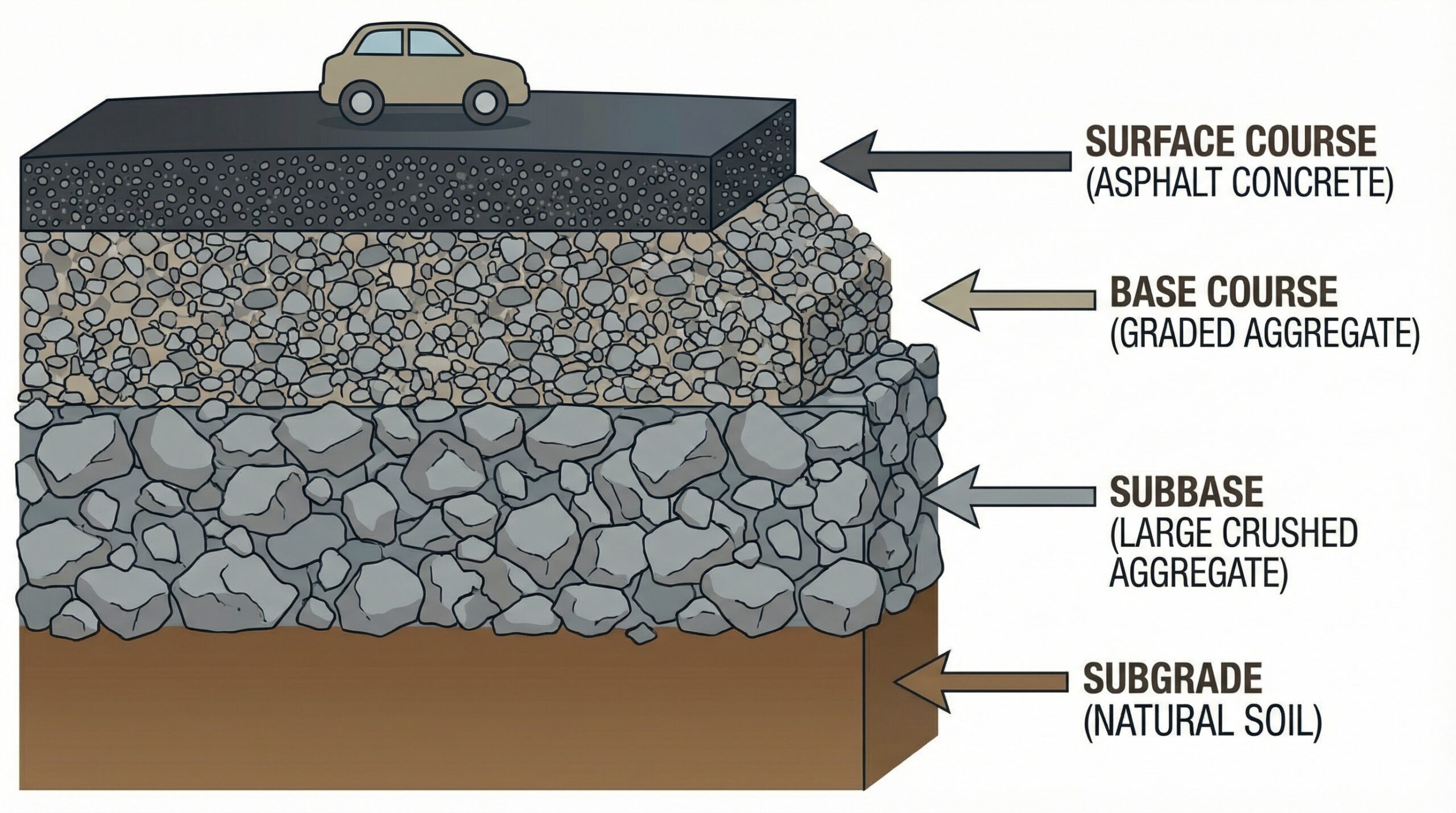
Selecting the right crushed rock size can make the difference between a road that lasts decades and one that requires constant repairs. The size of crushed rock directly impacts your road’s load-bearing capacity, drainage performance, and long-term durability. Understanding which size works best for your specific project saves both time and money while ensuring optimal performance.
Quick Answer: For most road construction projects, use 1-3 inch crushed rock for the base layer and 3/4 inch material for the surface. Highway applications typically require larger sizes (2-4 inches), while residential roads perform well with smaller sizes (3/8-1 inch).
Whether you’re building a residential driveway or a major highway, the crushed rock size you choose affects everything from traffic comfort to maintenance costs. Different road types, weather conditions, and traffic loads all influence which size delivers the best results for your investment.
Understanding crushed rock sizes and their properties
Crushed rock sizes are measured by diameter and classified into specific ranges that serve different construction purposes. To better understand how different sizes of gravel aggregates work in various applications, it’s important to know that size directly affects three critical properties that determine road performance.
Stability increases with larger rock sizes because bigger fragments create better interlocking between pieces. This interlocking prevents shifting and settling under traffic loads, which is why highways use larger base materials than residential streets.
Strength varies significantly between sizes, with larger rocks generally providing superior load-bearing capacity. A 3-inch rock can support much more weight than a 3/8-inch piece, making size selection crucial for roads expecting heavy traffic.
Permeability changes based on the spaces between rock fragments. Larger rocks create bigger gaps that allow water to drain quickly, while smaller rocks pack more tightly and may retain moisture. This affects both drainage and freeze-thaw resistance in colder climates.
The compaction process also varies by size. Smaller rocks compact more easily but may require additional binding materials to maintain cohesion. Larger rocks need more effort to compact properly but create a more stable foundation once in place.
Key factors that determine optimal rock size
Road type and traffic requirements
Highway construction demands the highest performance standards because of heavy traffic loads and high speeds. These roads typically use 2-4 inch crushed rock for base layers to handle the constant stress from commercial vehicles weighing up to 80,000 pounds.
Urban and suburban roads face moderate traffic with occasional heavy vehicles like delivery trucks. These applications work well with 1-2 inch base rock and 3/4 inch surface materials, providing adequate strength without excessive costs.
Residential streets and driveways handle primarily passenger vehicles and light trucks. For these applications, choosing the best crushed stone size for a driveway is crucial, as smaller sizes like 3/8 to 1 inch crushed rock often provide sufficient strength while creating smoother, more comfortable driving surfaces.
Weather and environmental conditions
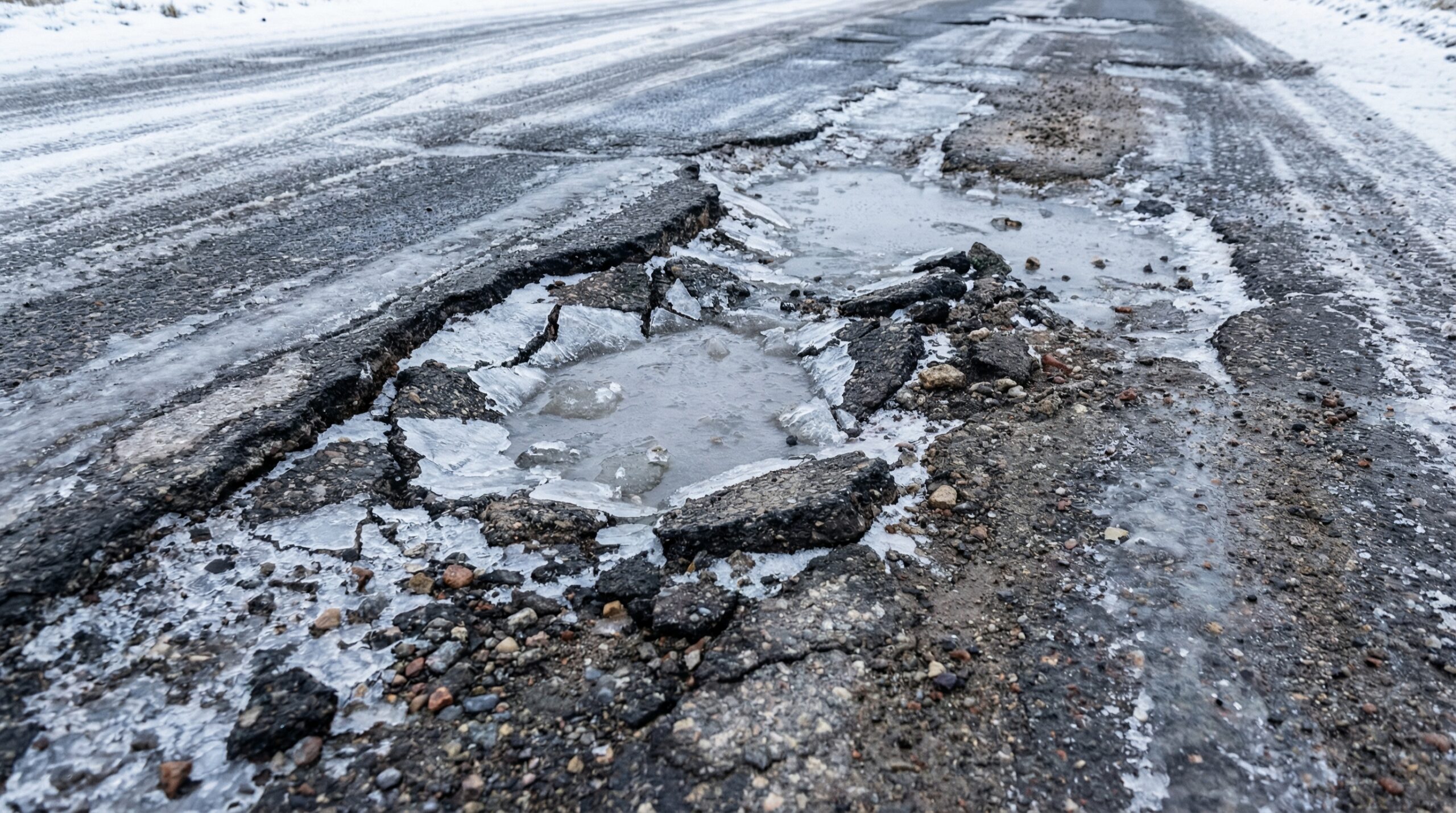
Freeze-thaw cycles pose significant challenges in northern climates where water expansion can crack road surfaces. Larger rock sizes help minimize this damage by creating better drainage that prevents water accumulation and ice formation.
Areas with heavy rainfall benefit from larger rock sizes that promote rapid water drainage through the road structure. Poor drainage leads to weakened foundations and premature failure, making proper size selection critical in wet climates.
Hot, dry climates present different challenges where smaller rocks may provide better surface stability and reduce dust generation. The key is matching rock size to local environmental stresses.
Pro Tip: In regions with extreme temperature variations, using larger base rocks (2-3 inches) with smaller surface materials (3/4 inch) provides the best combination of drainage and surface comfort.
Standard crushed rock size categories
| Size Category | Diameter Range | Primary Applications | Key Benefits |
|---|---|---|---|
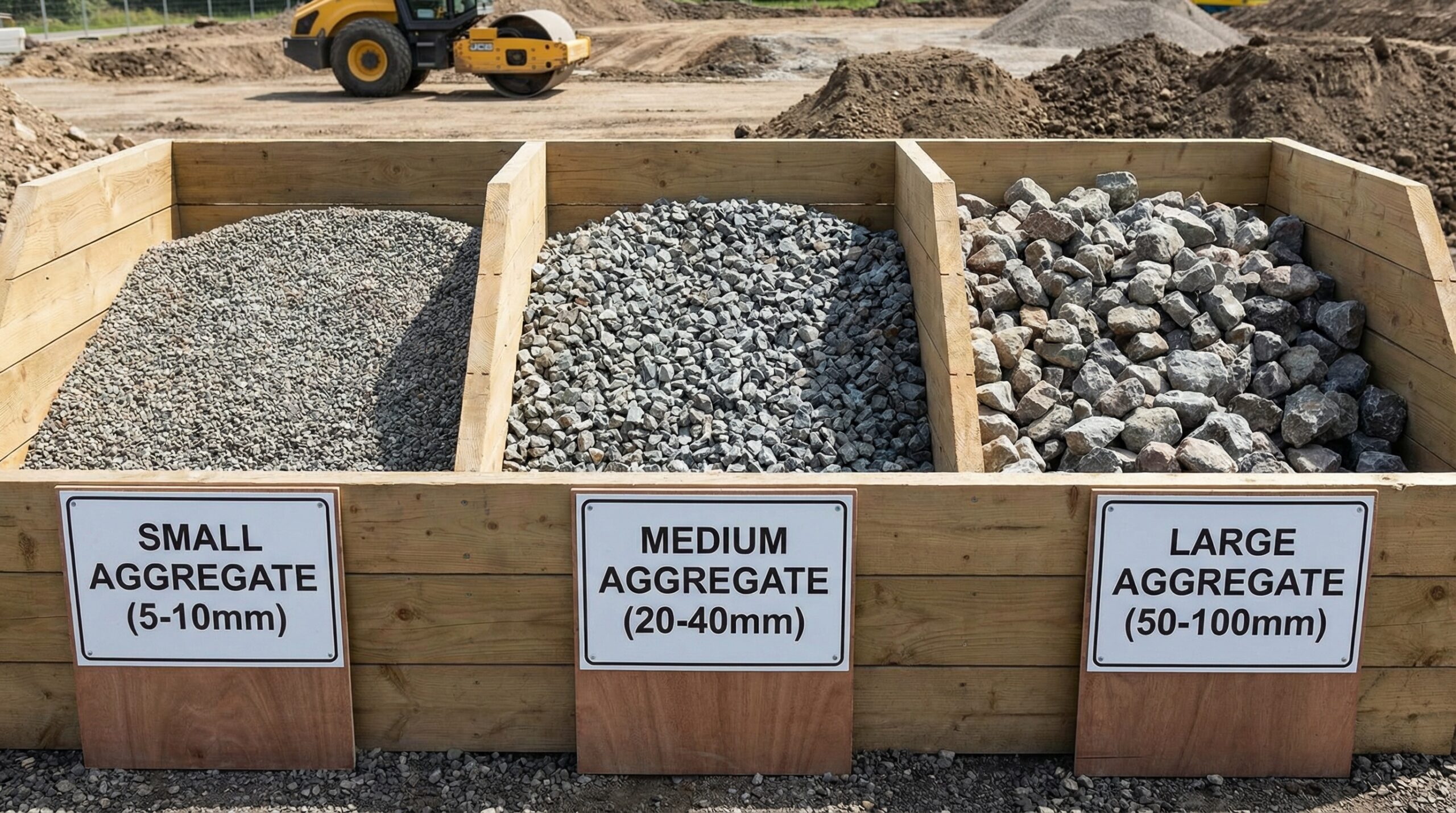
| Small | 3/8″ – 1″ | Residential roads, driveways | Smooth surface, easy compaction |
| Medium | 1″ – 3″ | Urban roads, parking lots | Balanced strength and comfort |
| Large | 3″ – 6″ | Highway base, heavy-duty applications | Maximum load capacity |
Small crushed rock (3/8 to 1 inch) works best for residential applications where comfort and appearance matter most. This size compacts well and creates smooth surfaces suitable for regular passenger vehicle traffic.
Medium crushed rock (1 to 3 inches) serves as the workhorse for most commercial and municipal road projects. It offers an excellent balance between load-bearing capacity and surface quality, making it versatile for various applications. Understanding different types of crushed stone can help you select the right material composition for your specific needs.
Large crushed rock (3 to 6 inches) handles the most demanding applications like highway base layers and industrial roads. While it provides maximum strength, it requires careful planning for surface layers to ensure driver comfort.
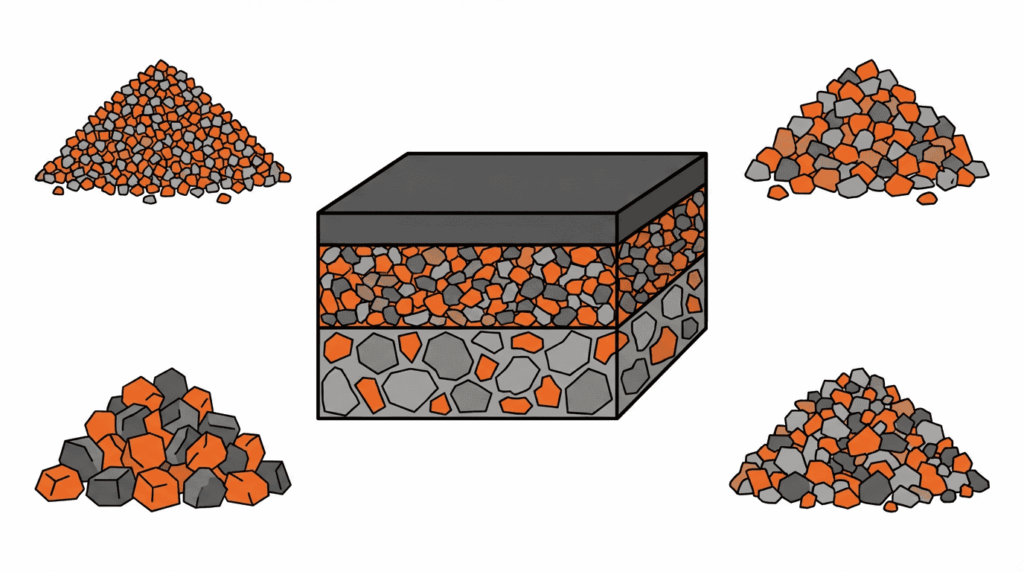
The choice between these categories depends on your specific project requirements, budget constraints, and expected traffic patterns. Most successful road projects use a layered approach with larger base materials and smaller surface materials.
Selecting the right size for your project
Start by evaluating your traffic expectations over the road’s intended lifespan. A residential driveway expecting light use for 20 years has very different requirements than a commercial access road handling delivery trucks daily.
Consider your local climate patterns, particularly freeze-thaw cycles and rainfall amounts. Areas with harsh winters typically benefit from larger base rocks that promote drainage, while milder climates allow more flexibility in size selection.
Budget considerations often influence the final decision since larger rocks generally cost more to purchase and install. However, the long-term savings from reduced maintenance often justify higher initial investments for demanding applications. For reference, reviewing a comprehensive stone sizes chart can help you visualize the options available for your project.
Working with experienced contractors helps ensure optimal size selection based on local conditions and proven performance. They understand which sizes work best in your area and can recommend cost-effective solutions that meet your performance requirements.
Important: Always specify washed crushed rock for road construction to ensure proper drainage and prevent fine particles from compromising the road’s structural integrity.
Proper crushed rock size selection forms the foundation of successful road construction projects. By matching rock size to your specific traffic, climate, and budget requirements, you create roads that perform reliably for decades. If you’re also considering other outdoor projects, you might want to explore the best crushed rock size for a patio or learn about various types of gravels for different applications. Whether building a simple driveway or complex highway system, understanding these principles helps you make informed decisions that deliver lasting value and performance.