Complete Guide to Gravel Stones in Bags for Your Next Project
Get an estimate for your project in 60 seconds
 Your information is secure
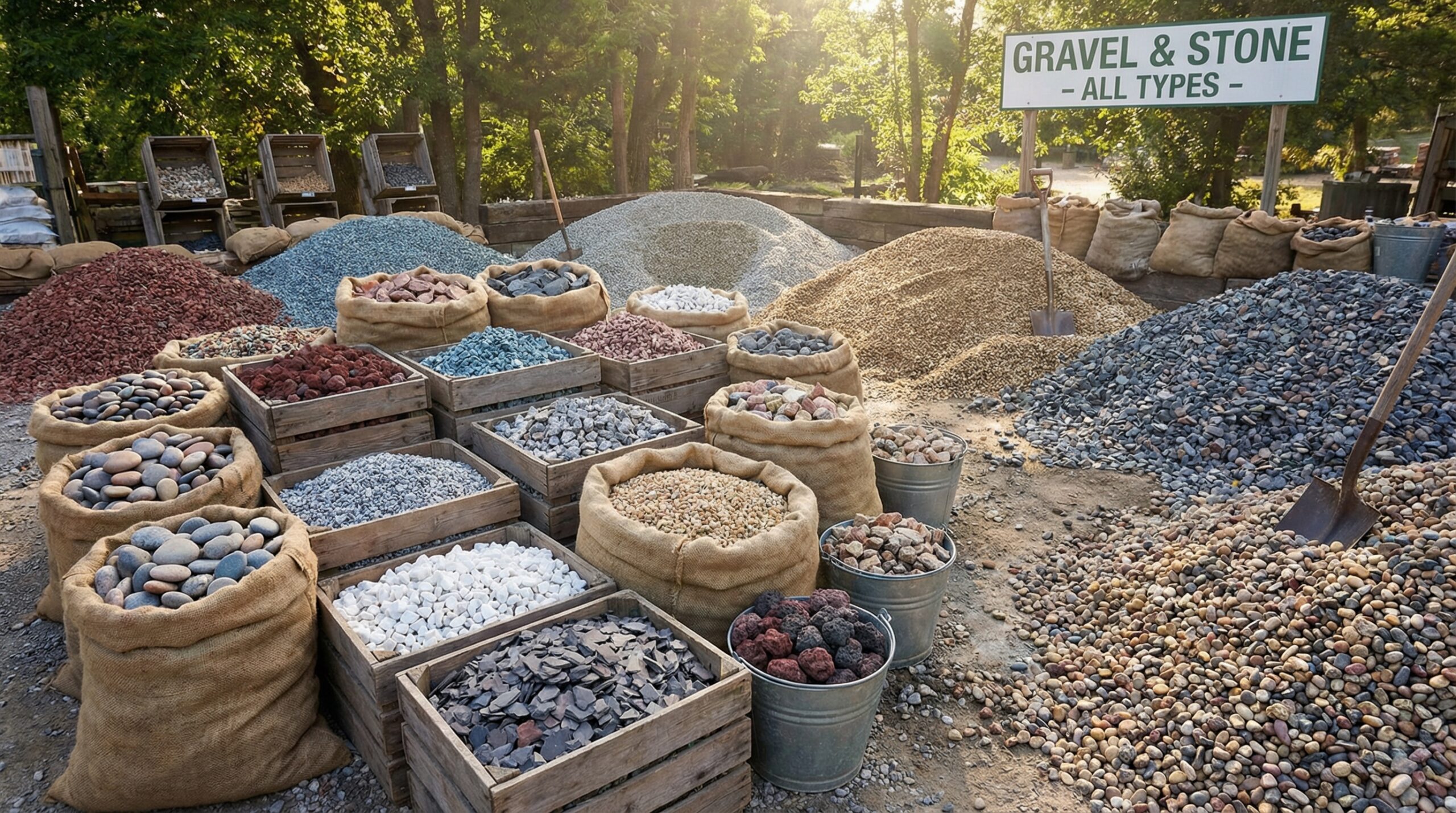
Gravel stones are one of the most versatile materials you can use for landscaping and construction projects. Whether you’re creating a stunning garden pathway, building a durable driveway, or improving drainage around your property, bagged gravel offers convenience and quality that bulk options sometimes can’t match.
Quick Answer: Bagged gravel stones typically range from $3-8 per bag (covering 2-4 square feet), with popular types including pea gravel for pathways, crushed granite for high-traffic areas, and river rock for decorative features.
In this guide, you’ll discover how to choose the right type of gravel for your specific needs, understand pricing factors, and learn practical tips for installation and maintenance. We’ll walk you through everything from understanding different stone sizes to calculating how many bags you’ll need for your project.
Understanding Different Types of Gravel Stones
When you walk into any home improvement store, the variety of bagged gravel can feel overwhelming. Each type serves specific purposes, and choosing the wrong one can affect both the appearance and functionality of your project.
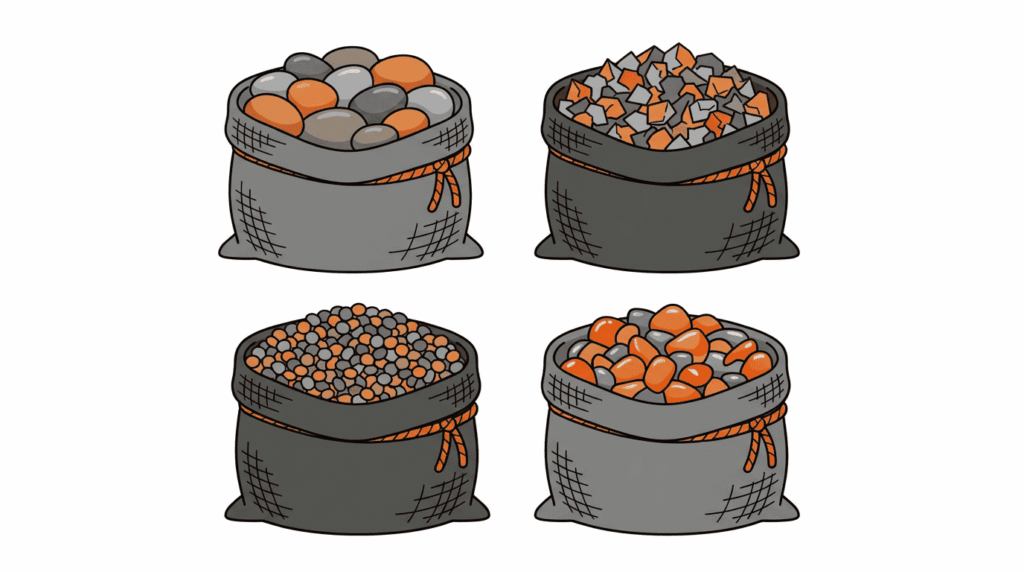
Pea gravel remains the most popular choice for residential projects. These small, rounded stones typically measure 1/4 to 3/8 inches and create smooth, comfortable surfaces perfect for walkways and play areas. Their natural drainage properties make them excellent for areas prone to water accumulation.
Crushed granite offers superior durability for high-traffic applications. The angular edges of these stones lock together when compacted, creating stable surfaces ideal for driveways and patios. This type handles heavy loads better than rounded stones.
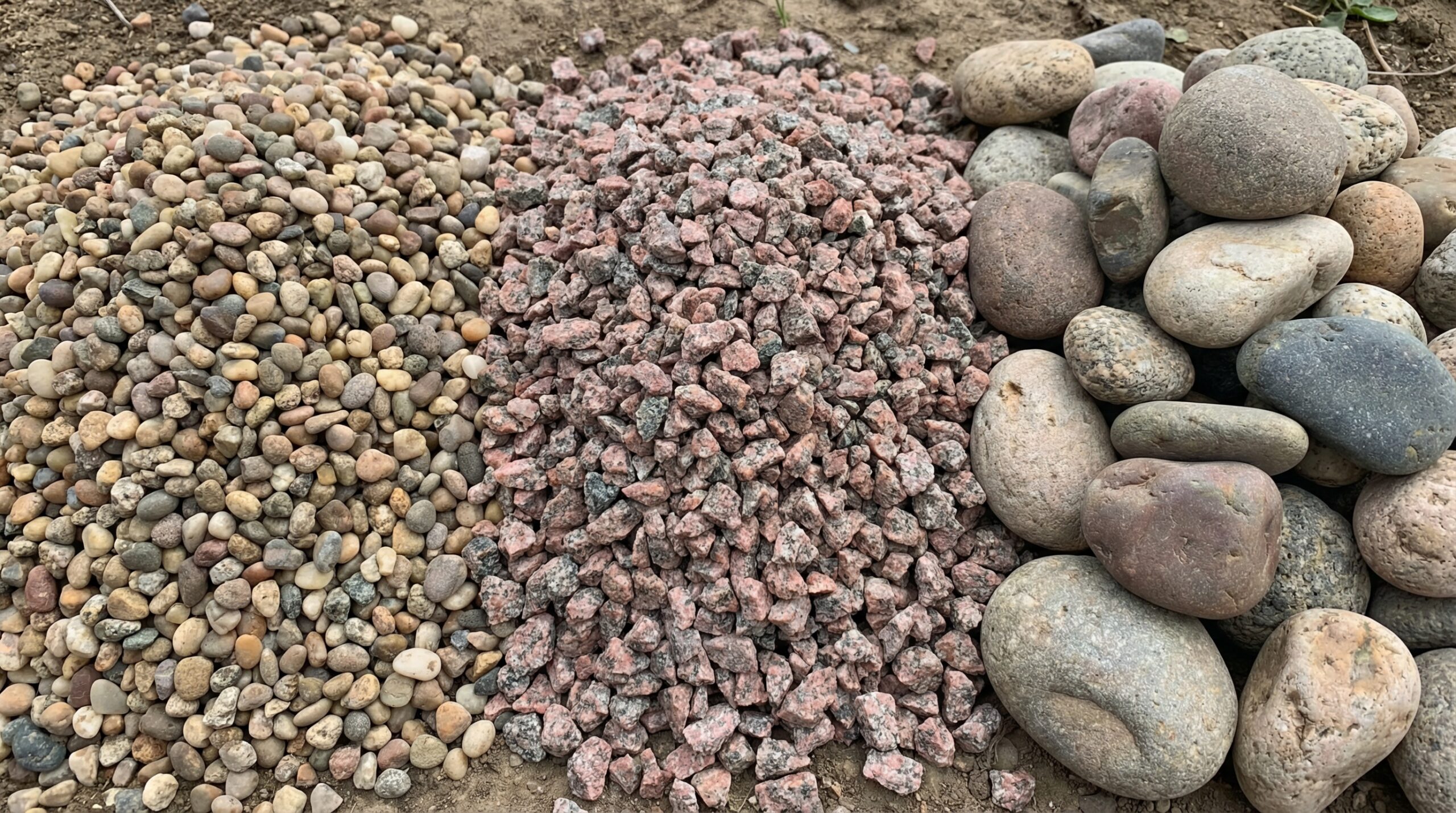
River rock brings natural beauty to any landscape. These smooth, naturally weathered stones work wonderfully for decorative borders, water features, and garden accents. While more expensive than other options, their aesthetic appeal often justifies the cost.
Crushed limestone provides an economical solution for larger projects. This versatile material works well for both functional applications like drainage and decorative uses. It compacts well and offers good stability for various construction needs.
Pro Tip: Always request to see actual samples before purchasing, as colors and textures can vary significantly between suppliers and even different batches from the same quarry.
For a deeper dive into the characteristics and applications of each type, check out our comprehensive guide to different types of crushed stone.
How to Choose the Right Bag Size and Quantity
Calculating your gravel needs accurately prevents costly overages or frustrating shortages mid-project. Most bagged gravel comes in 40-50 pound bags, typically covering 2-4 square feet at a 2-inch depth.
Start by measuring your project area in square feet (length × width). For most applications, you’ll want a 2-3 inch depth of gravel. A simple formula helps: square footage × depth in feet × 1.2 (for settling) = cubic feet needed. Since most bags contain about 0.5 cubic feet, divide your total by 0.5 to determine bag quantity.
Consider your project type when planning depth. Pathways typically need 2 inches, while driveways require 3-4 inches for proper stability. Decorative applications might only need 1-2 inches for visual appeal.
Factor in accessibility to your work area. Bagged gravel offers advantages when you need to carry material through narrow gates, up stairs, or around existing landscaping. While bulk delivery costs less per ton, bags provide flexibility for smaller or hard-to-reach projects. If you’re considering larger quantities, our guide on choosing a bulk bag of gravel stones can help you compare options.
| Project Type | Recommended Depth | Coverage per 50lb Bag |
|---|---|---|
| Pathways | 2 inches | 3-4 sq ft |
| Driveways | 3-4 inches | 2-3 sq ft |
| Decorative borders | 1-2 inches | 4-6 sq ft |
Practical Applications and Installation Tips
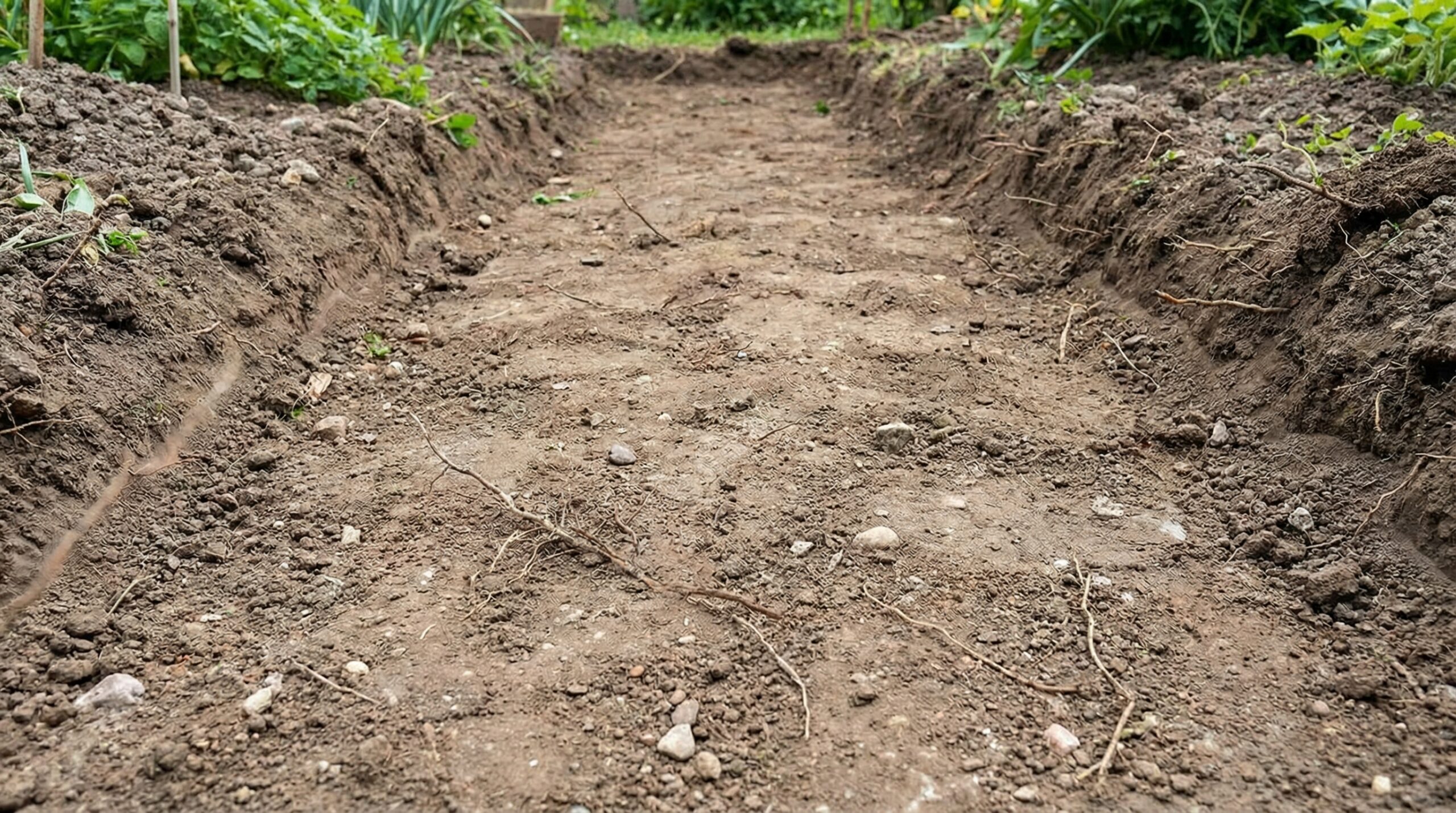
Successful gravel installation starts with proper preparation. Even the highest quality stones won’t perform well without adequate groundwork. Begin by removing existing vegetation and debris from your project area.
For drainage projects, gravel stones excel at managing water flow. French drains, for example, rely on larger stones (1-2 inches) to create channels for water movement. Smaller stones work better for surface drainage around patios and walkways.
Landscaping applications benefit from gravel’s low maintenance requirements. Unlike mulch, gravel doesn’t decompose or attract pests. It suppresses weeds effectively while allowing water and air to reach plant roots. Consider using landscape fabric underneath to prevent stones from mixing with soil over time. For garden-specific applications, learn more about the best crushed stone size for a garden bed.
Construction uses demand attention to compaction and stability. For driveways and parking areas, compact each layer as you build up depth. Rent a plate compactor for best results, or use a hand tamper for smaller areas. If you’re planning a driveway project, our article on the best crushed stone size for a driveway provides essential sizing information.
Edge restraints keep gravel contained and maintain clean lines. Install metal, plastic, or stone edging before spreading gravel. This prevents stones from migrating into adjacent areas and maintains your project’s intended shape.
Installation Tip: Work in sections rather than dumping all bags at once. This approach allows for better control over depth and makes the physical work more manageable.
Where to Buy and What to Expect for Pricing
Bagged gravel pricing varies significantly based on stone type, bag size, and your location. Home improvement stores typically charge $3-8 per bag, while specialty landscape suppliers might offer better quality at competitive prices.
Big box retailers provide convenience and consistent availability. You’ll find standard varieties like pea gravel and basic crushed stone, though color and size options may be limited. These stores often run seasonal sales that can reduce costs substantially.
Local landscape suppliers usually offer superior quality and more variety. They often source materials regionally, which can mean better color consistency and lower transportation costs. Many provide delivery services that offset the convenience of retail pickup.
Online suppliers have emerged as viable options, especially for specialty stones or bulk bag orders. While shipping costs can be significant, the selection often exceeds local options. Some companies specialize in decorative stones not available locally.
Consider total project costs beyond just material prices. Factor in delivery fees, tool rental if needed, and your time for pickup and transport. Sometimes paying slightly more for delivery saves money overall when you account for vehicle wear and your time investment. For more insights on purchasing options, explore our guide on the benefits and uses of gravel bags.
Bagged gravel stones offer an excellent balance of convenience, quality, and affordability for most residential projects. By understanding the different types available and planning your quantities carefully, you can achieve professional results while staying within budget. Remember that proper installation techniques matter as much as choosing the right materials, so take time to prepare your site adequately and consider professional help for larger or complex projects.