What is Screened Rock and How to Use It for Your Project
Get an estimate for your project in 60 seconds
 Your information is secure
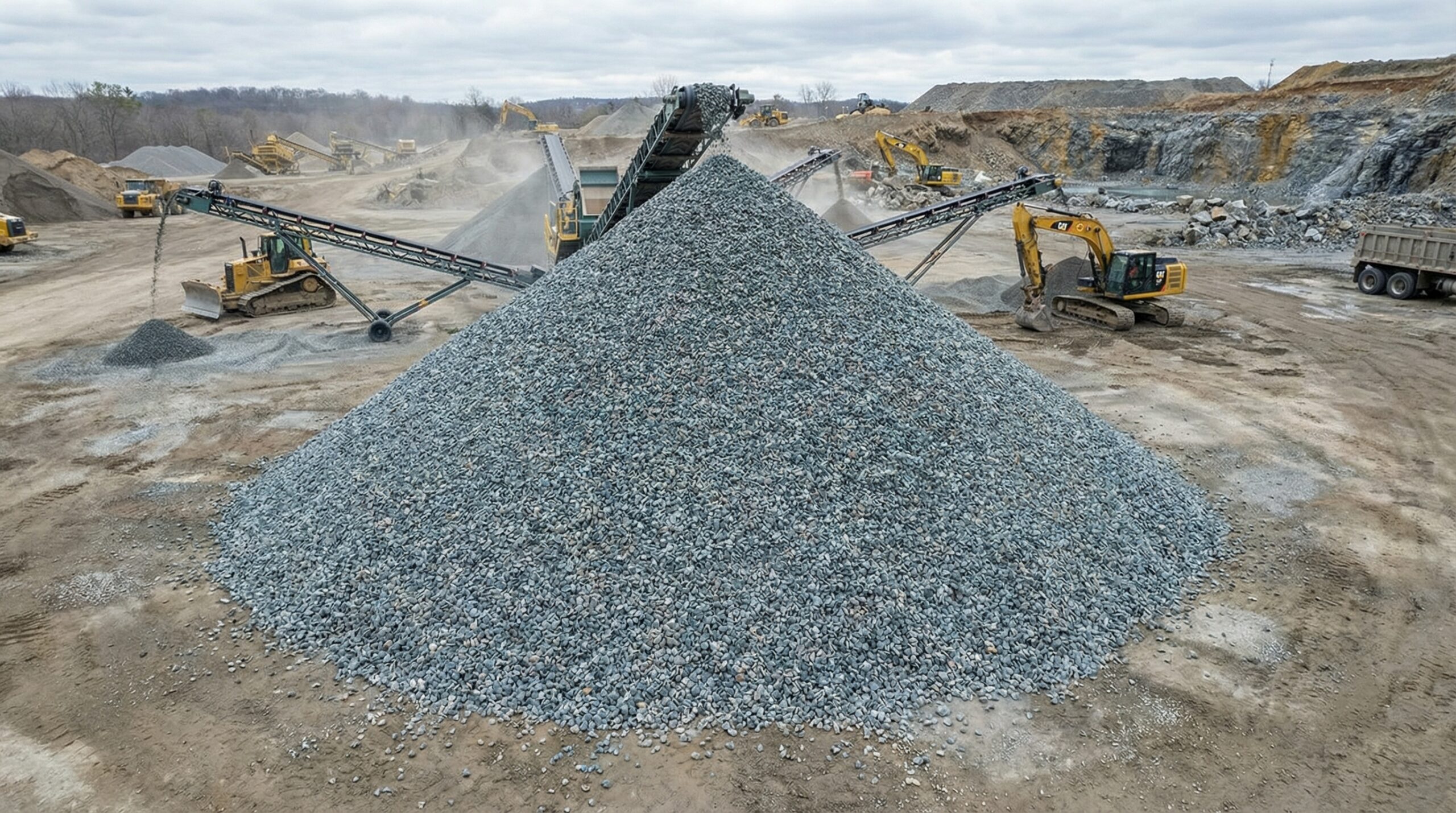
If you’re planning a landscaping or construction project, you’ve probably come across the term “screened rock.” This versatile aggregate material has become a go-to choice for everything from driveways to drainage systems. Screened rock is crushed stone that’s been filtered through screens to remove debris and create uniform sizes, making it perfect for projects requiring consistency and durability.
Quick Fact: Screened rock typically costs between $20-$50 per ton and comes in various sizes from 3/8 inch to 1.5 inches, with the screening process ensuring each piece meets specific size requirements for optimal performance.
Whether you’re a homeowner tackling a DIY project or a contractor working on commercial construction, understanding screened rock will help you make informed decisions about materials that can save you time and money while delivering professional results.
Understanding what screened rock is
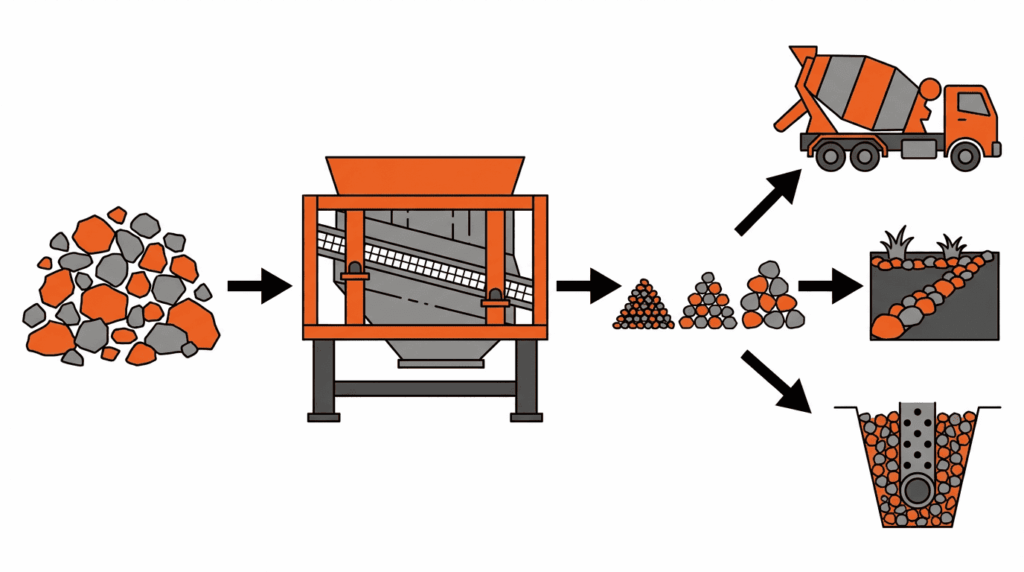
Screened rock is an aggregate material made from crushed limestone, granite, or other hard stones that have been processed through screening equipment. The screening process involves passing the crushed material through a series of mesh screens with different-sized openings to separate particles by size and remove unwanted debris.
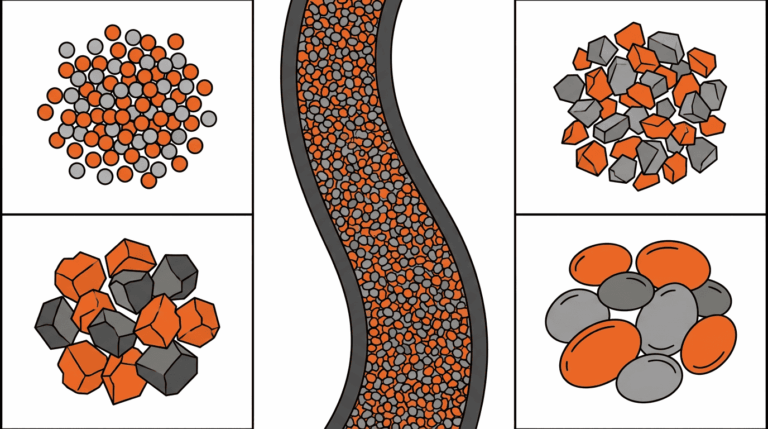
This process creates uniformly sized pieces that interlock well when compacted, providing excellent stability and drainage properties. The consistency in size and shape makes screened rock easier to work with compared to unprocessed gravel or stone. To better understand how screened rock fits into the broader category of different types of crushed stone, it’s helpful to know the production process.
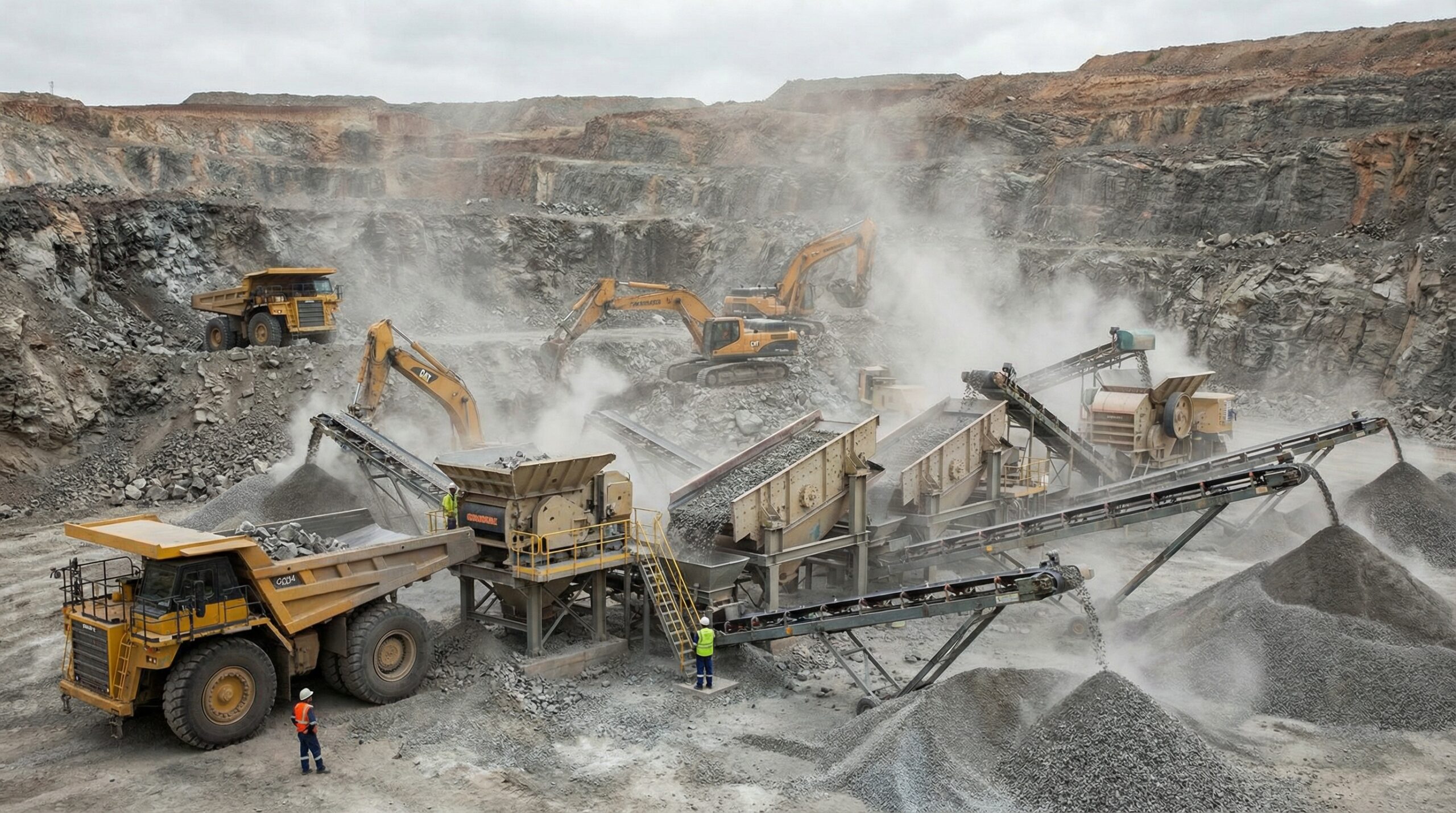
The production begins at quarries where large rocks are crushed using jaw crushers, cone crushers, or impact crushers. The crushed material then moves through vibrating screens that sort it into different size categories. Any oversized pieces are returned for further crushing, while undersized particles and dust are separated out.
Common uses for screened rock in construction and landscaping
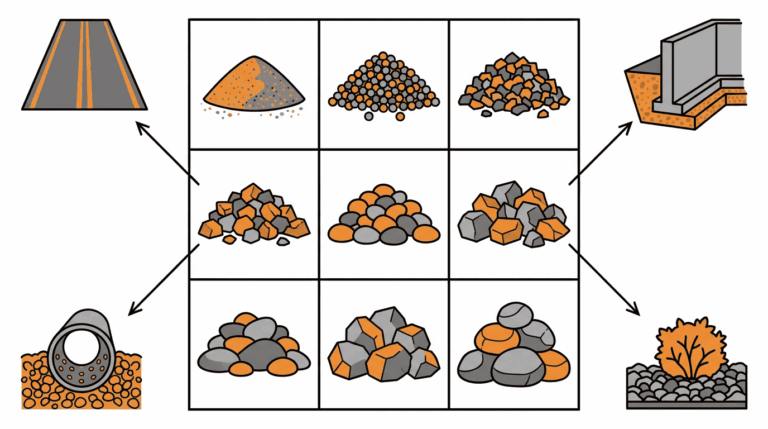
Screened rock serves multiple purposes in both residential and commercial projects. For driveways and pathways, it creates a stable surface that can handle vehicle traffic while allowing water drainage. The angular shape of the crushed pieces helps them lock together when compacted, preventing shifting and rutting. When planning your driveway, consider reading about the best crushed stone size for a driveway to ensure optimal performance.
In hardscaping projects, screened rock works well as a base material under pavers, retaining walls, and decorative stone features. Its uniform size ensures even support and proper drainage, which prevents settling and frost damage over time. For outdoor living spaces, understanding the best crushed rock size for a patio can help you create a stable foundation.
Drainage applications represent another major use for screened rock. French drains, catch basins, and erosion control systems rely on its ability to allow water flow while providing structural stability. The consistent sizing ensures adequate void space for water movement without clogging.
Pro Tip: For drainage projects, choose larger screened rock sizes (3/4 inch to 1.5 inches) to maximize water flow, while smaller sizes (3/8 inch to 1/2 inch) work better for decorative applications and walkways.
Foundation work and road construction also benefit from screened rock’s properties. It provides a solid, well-draining base that distributes loads evenly and resists settlement when properly installed and compacted. Professional contractors often refer to guides on the best crushed rock size for road construction when planning infrastructure projects.
Cost factors and pricing for screened rock
Several factors influence screened rock pricing, with location being the primary consideration. Areas near quarries typically offer lower prices due to reduced transportation costs, while remote locations may see higher prices due to delivery expenses.
The type of stone affects cost as well. Common limestone and granite screened rock generally costs less than specialty materials like decorative crushed stone or recycled concrete. Quality also plays a role, with cleaner, more uniformly screened material commanding higher prices.
| Size Range | Typical Cost per Ton | Best Uses |
|---|---|---|
| 3/8″ | $25-$40 | Walkways, decorative |
| 3/4″ | $20-$35 | Driveways, general construction |
| 1.5″ | $22-$38 | Drainage, road base |
Quantity purchased significantly impacts the per-ton price. Bulk orders often qualify for volume discounts, while small quantities may include minimum delivery charges. Many suppliers offer better rates for orders of 10 tons or more. If you’re considering purchasing in bulk, explore options for a bulk bag of gravel stones to maximize your investment.
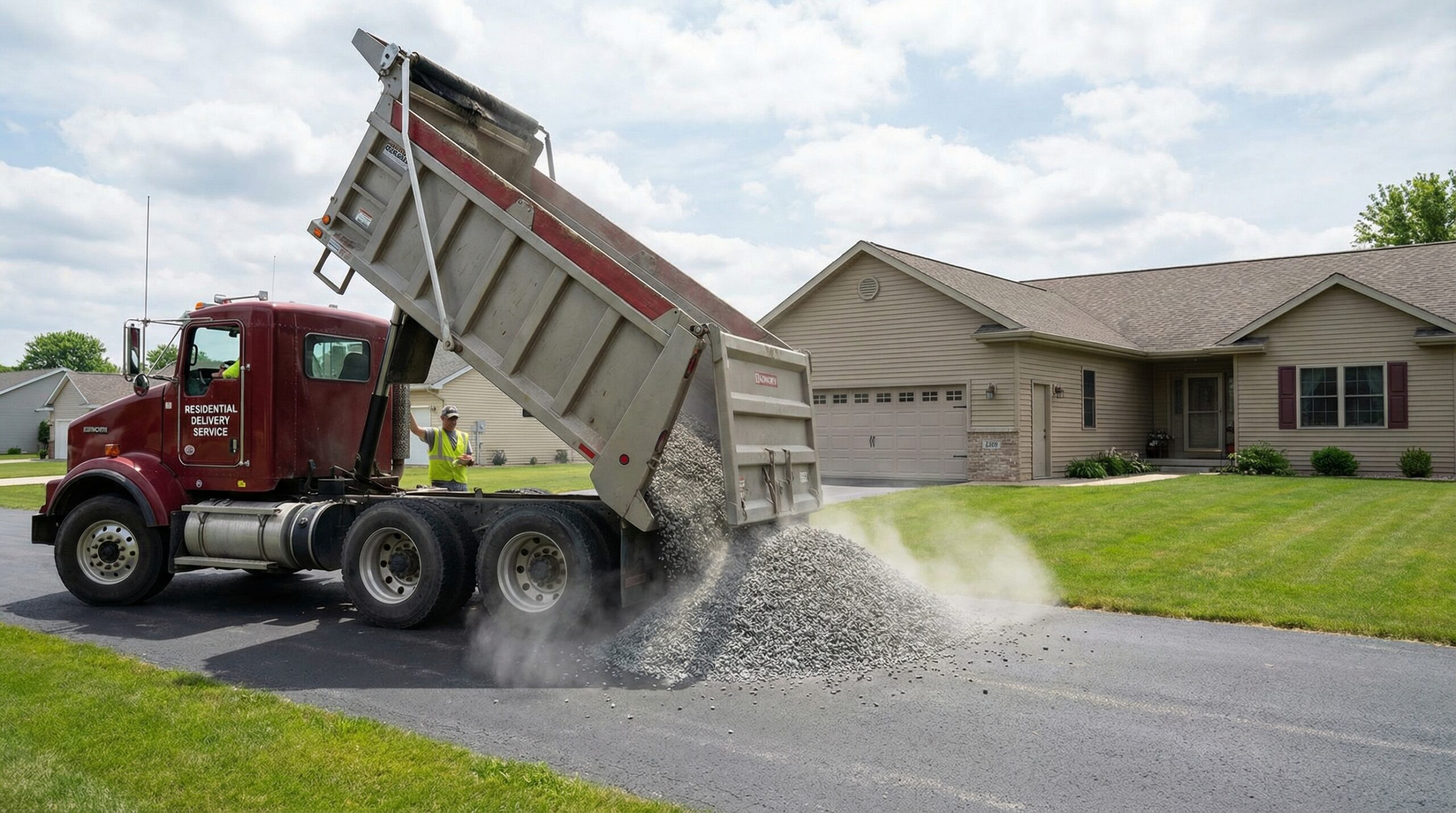
Delivery costs vary based on distance from the supplier and accessibility of your site. Standard truck deliveries work for most residential projects, but difficult access may require smaller vehicles or additional handling fees.
Advantages and considerations when choosing screened rock
Screened rock offers several benefits that make it popular for construction and landscaping projects. Its uniform size creates predictable performance, whether you’re building a driveway base or installing drainage systems. The screening process removes fine particles that could cause compaction problems or drainage issues.
Durability stands out as another key advantage. Properly installed screened rock can last decades with minimal maintenance, making it cost-effective over time. It resists weathering, doesn’t decompose like organic materials, and maintains its structural properties under heavy loads.
The drainage capabilities of screened rock help prevent water-related problems. Unlike solid materials, it allows water to flow through while providing stability, making it ideal for areas prone to standing water or frost heave.
However, screened rock isn’t perfect for every application. High foot traffic areas may find it uncomfortable to walk on, especially with larger sizes. The angular nature of crushed stone can be rough on bare feet, making it less suitable for play areas or frequently used walkways. For pedestrian paths, you might want to explore the best gravel size for a walkway to find more comfortable options.
Consider This: While screened rock requires minimal maintenance, it may need occasional top-dressing in high-traffic areas where smaller particles can migrate or wash away over time.
Installation often requires proper equipment for compaction and grading. Without adequate compaction, screened rock can shift or settle unevenly, reducing its effectiveness and requiring repairs.
Choosing the right screened rock for your project depends on understanding these characteristics and matching them to your specific needs. Consider factors like intended use, traffic levels, drainage requirements, and aesthetic preferences when making your selection. For a comprehensive overview of your options, review our guide on understanding the different sizes of gravel aggregates.
Working with experienced suppliers can help you navigate the options and ensure you get the right material for your project’s success. They can provide guidance on sizing, quantities, and installation techniques that will maximize your investment in screened rock materials.